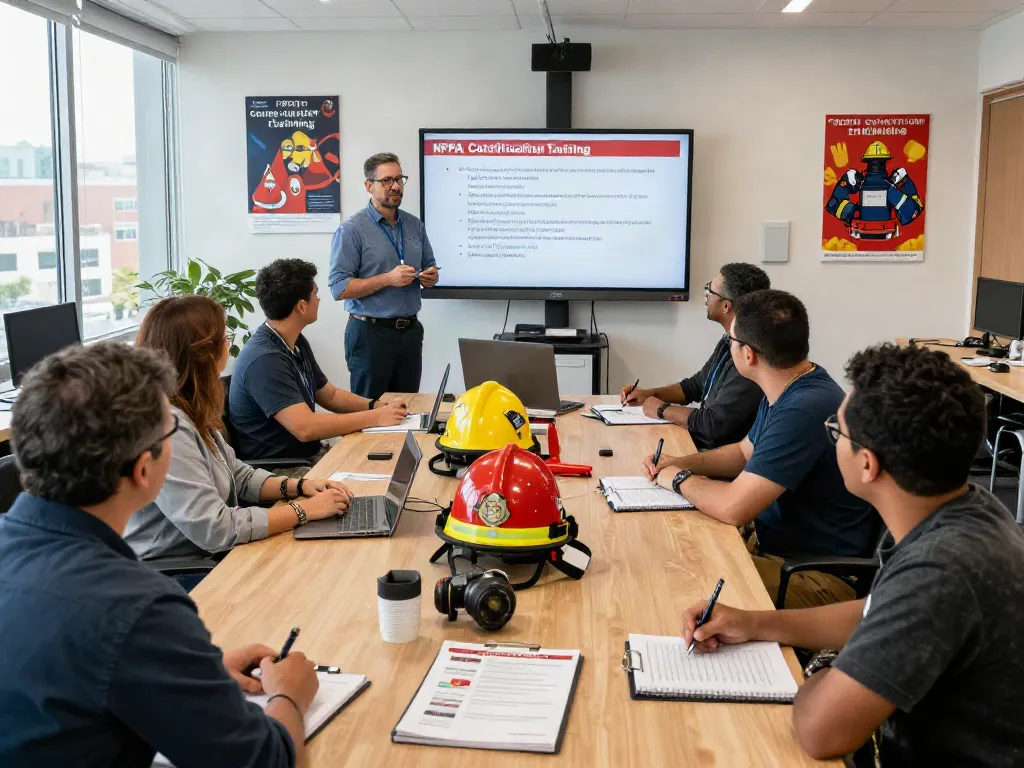
Understanding NFPA Certification Training
In today's rapidly evolving landscape of fire safety and risk management, the need for comprehensive training is paramount. The National Fire Protection Association (NFPA) Certification Training program is designed to equip professionals with the essential skills required to navigate the complexities of fire prevention, safety standards, and emergency response. This training is not only vital for compliance but also instrumental in fostering a culture of safety within organizations. By engaging with the NFPA's extensive curriculum, participants can enhance their competencies and contribute significantly to their respective fields.
When exploring options, NFPA Certification Training provides comprehensive insights into the myriad of courses available, ensuring that organizations can tailor the learning experience to their specific needs.
What is NFPA Certification Training?
NFPA Certification Training encompasses a series of educational programs and courses certified by the NFPA, aimed at enhancing knowledge in fire protection and safety standards. This training covers various aspects, including fire prevention, electrical safety, building codes, and emergency response protocols. Upon completion, participants typically receive a certificate that attests to their knowledge and skills, which can be pivotal for career advancement.
Importance of NFPA Certification in Your Industry
Across industries such as healthcare, construction, manufacturing, and education, NFPA Certification is increasingly recognized as a benchmark for safety knowledge. This certification not only demonstrates a commitment to safety but also ensures compliance with local and national safety regulations. For organizations, having certified staff can significantly reduce the risk of accidents, enhance emergency preparedness, and promote a proactive safety culture.
Moreover, NFPA-trained personnel are often better equipped to identify potential hazards and implement effective safety measures, ultimately leading to reduced liability and insurance costs.
Common Misconceptions About NFPA Certification Training
Despite its importance, several misconceptions linger around NFPA Certification Training. One prevalent myth is that such training is only necessary for specific industries like construction or manufacturing. In reality, the need for fire safety knowledge transcends industry boundaries; virtually every workplace can benefit from NFPA training.
Another common misconception is that NFPA certification is too time-consuming or expensive. In fact, many training providers, including Burraq Business Consulting, offer flexible training options tailored to the needs of organizations, minimizing disruption while maximizing learning.
Preparing for NFPA Certification Training
Essential Materials Needed for NFPA Training
Preparation is key to maximizing the NFPA Certification Training experience. Essential materials often include training manuals, safety regulations documentation, and online resources provided by the NFPA. Participants should also familiarize themselves with the specific training course outline and objectives to effectively engage with the content.
Additionally, organizations may consider providing supplementary materials like case studies or scenario-based learning tools to further enhance understanding.
How to Choose the Right NFPA Course for Your Team
Selecting the right NFPA course is crucial for meeting the specific needs of your team. Factors to consider include the team’s current knowledge level, the specific industry standards relevant to your organization, and the available training formats—whether in-person, online, or hybrid.
Consulting with an NFPA Authorized Training Provider like Burraq Business Consulting can also provide valuable insights into which course would best align with your team’s objectives and organizational goals.
Setting Up a Training Schedule: Best Practices
Establishing an effective training schedule requires careful planning. It is essential to allocate sufficient time for each session, considering the complexity of the subject matter and the number of participants. Communication with staff about training expectations and scheduling flexibility can enhance participation and engagement.
Moreover, offering training during less busy periods can help staff commit to the training without feeling overwhelmed by their regular responsibilities.
Maximizing the NFPA Certification Experience
Interactive Learning Techniques for NFPA Courses
To enhance the NFPA training experience, incorporating interactive learning techniques is essential. Simulation-based exercises, role-playing scenarios, and group discussions can greatly enhance understanding and retention of complex safety concepts. Engaging participants through hands-on activities not only makes learning enjoyable but also fosters teamwork and collaboration.
Engaging Your Team in NFPA Training Sessions
Active engagement is crucial to the success of any training program. Encourage open discussions, ask questions, and seek input from participants to create an inclusive environment. Utilizing real-life examples and case studies relevant to your industry can also resonate more effectively with learners, ensuring they see the practical value of the training.
Leveraging Technology for Better NFPA Training Outcomes
Technology plays an increasingly vital role in education, and NFPA Certification Training is no exception. Utilizing online learning platforms, webinars, and digital resources can provide flexible learning opportunities for participants. Additionally, employing tools such as virtual reality (VR) for fire simulations can offer immersive experiences that enhance understanding and preparedness.
Common Challenges in NFPA Certification Training
Addressing Knowledge Gaps in Your Team
Knowledge gaps can pose significant challenges in preparing for NFPA certification. Conducting a pre-training assessment can help identify these gaps and tailor the training accordingly. Providing foundational training before delving into advanced topics can ensure all participants have a comprehensive understanding of the material.
Overcoming Time Constraints in Training
Time constraints are a common barrier to effective training. Organizations should prioritize scheduling training during low-demand periods or consider condensed training programs that still meet educational requirements. Offering a mix of in-person and online learning can also provide flexibility for busy professionals.
Ensuring Compliance with NFPA Standards
Staying compliant with NFPA standards requires continuous education and training. Organizations should schedule regular refresher courses for their staff, ensuring that employees stay informed about the latest codes and best practices. Partnering with an NFPA Authorized Training Provider can facilitate ongoing education and compliance monitoring.
Future Trends in NFPA Certification Training
Adapting Training Methods for 2026 and Beyond
The landscape of fire safety training is constantly evolving, and the NFPA will continue to adapt its training methodologies. Emphasizing the integration of advanced technologies and data analytics can enhance learning outcomes. Training programs will likely focus on real-world application of skills, preparing participants for unexpected emergencies.
The Role of Remote Learning in NFPA Training
Remote learning has proven invaluable in the recent past, and its role in NFPA Certification Training will likely expand. Virtual classrooms and e-learning modules can reduce logistical burdens and offer flexibility to learners who may not be able to attend in-person sessions. This approach can also facilitate access to high-quality training resources for individuals in remote locations.
Emerging Technologies Impacting NFPA Certification Training
As technology advances, new tools and techniques will emerge to support NFPA training. Augmented reality (AR) and mobile training applications may start to supplement traditional methods, providing dynamic and engaging learning experiences. These technologies can enhance understanding, ensure better retention of safety protocols, and prepare professionals more effectively for real-world challenges.
What are the prerequisites for NFPA certification?
Prerequisites for NFPA certification typically include a fundamental understanding of fire safety principles and relevant industry experience. Specific courses may have additional requirements, which can be clarified with the training provider.
How long does NFPA certification training take?
The duration of NFPA certification training varies based on the course format and content. Programs can range from a few days for intensive workshops to several weeks for comprehensive online learning paths.
What costs are associated with NFPA certification training?
Costs for NFPA certification training can vary widely based on factors such as course type, organization size, and additional materials. Organizations should budget for these expenses and consult with training providers to explore available options.
Are there online options for NFPA certification training?
Yes, numerous online options are available for NFPA certification training. These programs offer flexibility, allowing participants to complete courses at their own pace and convenience.
What skills can I gain from NFPA certification training?
Participants can acquire a wide array of skills from NFPA certification training, including fire safety management, risk assessment techniques, emergency response planning, and compliance with safety standards. These competencies are vital for fostering a safe workplace and can significantly enhance career prospects.