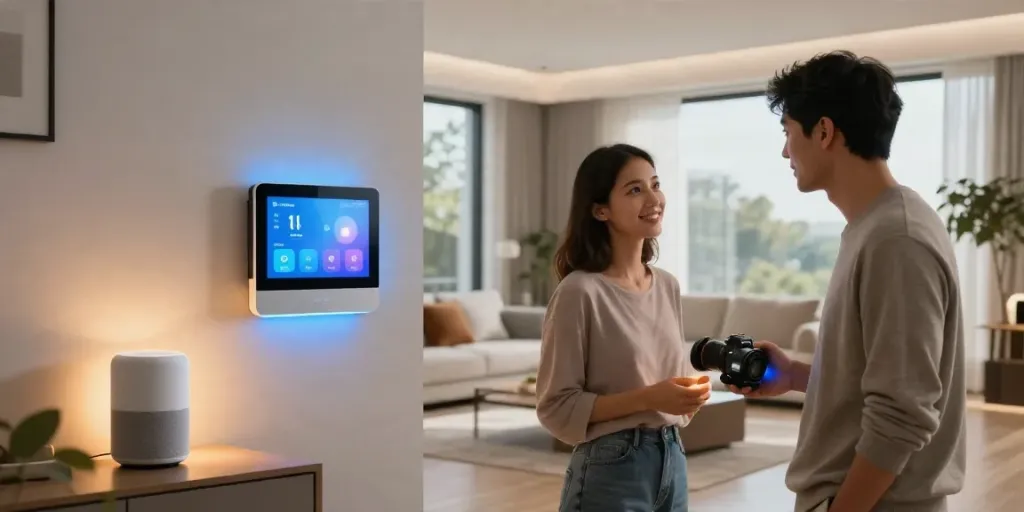
Introduction to Smart Homes
The concept of smart homes has revolutionized the way we interact with our living spaces. Integrating advanced technology into our daily lives, smart homes not only enhance convenience but also improve security, energy efficiency, and overall quality of life. As we venture into 2026, the significance of smart home technology becomes even more pronounced, with countless options available to homeowners. This article delves into various aspects of smart home systems, offering insights into their benefits, installation processes, and optimization strategies. When exploring options, جهان اسمارت provides comprehensive insights into the latest advancements in smart home technology.
What is a Smart Home?
A smart home is equipped with devices that allow for remote management and monitoring of systems and appliances. These devices include smart lights, thermostats, security cameras, door locks, and entertainment systems, all interconnected through the internet. This interconnectivity allows homeowners to control their environment from anywhere using smartphones or voice assistants, creating a seamless experience that enhances day-to-day living.
Benefits of Smart Home Technology
Embracing smart home technology offers numerous advantages:
- Enhanced Security: Smart security systems offer real-time alerts and remote monitoring, safeguarding your home against intrusions.
- Energy Efficiency: Smart thermostats and energy management systems optimize energy use, reducing costs and environmental impact.
- Convenience and Comfort: Automation of routine tasks, such as lighting control and temperature adjustments, provides unparalleled convenience.
- Increased Home Value: Integrating smart technology can significantly enhance property value, attracting potential buyers in the competitive real estate market.
Key Components of Smart Home Systems
Smart home systems typically consist of various components that work together to create an integrated environment. Key components include:
- Smart Hubs: These devices act as the central control unit, enabling communication between various smart devices.
- Smart Devices: This category includes lights, locks, cameras, and appliances, each designed to communicate with the hub.
- Automation Software: Applications and platforms that allow for the customization of home functions and routines.
- Voice Assistants: Devices like Amazon Alexa and Google Assistant facilitate voice control of smart home systems.
Choosing the Right Smart Devices
Essential Devices for Your Smart Home
When selecting devices for your smart home, consider the following essentials:
- Smart Lights: Install smart bulbs that can be controlled remotely, allowing for customizable lighting scenes.
- Smart Thermostats: These devices learn your schedule and adjust heating and cooling accordingly, ensuring comfort and energy efficiency.
- Smart Security Cameras: Monitor your home from anywhere with cameras that send alerts and provide live feeds directly to your smartphone.
- Smart Locks: Enhance security with locks that offer keyless entry and remote monitoring capabilities.
Compatibility and Integration Tips
Ensuring compatibility between devices is crucial for a seamless smart home experience. Here are some tips:
- Check compatibility with your smart hub before purchasing devices.
- Read reviews and product specifications to ensure reliable integration.
- Consider brands that offer cross-compatibility to expand your options.
Evaluating Brand Options for Quality
Not all smart devices are created equal. When evaluating brands, look for:
- Reputation for reliability and customer service.
- Warranty and return policies for peace of mind.
- Regular software updates and technical support to maintain device functionality.
Installation Process of Smart Devices
Step-by-Step Guide to Installing Smart Lights
Installing smart lights can enhance your home’s ambiance and energy efficiency. Here’s how to do it:
- Remove your existing light fixture and follow the manufacturer’s instructions for wiring the smart bulb.
- Connect the bulb to the smart hub using the corresponding app on your smartphone.
- Set your desired brightness and color settings through the app.
- Test the lighting to ensure proper installation and functionality.
Setting Up Smart Thermostats
Installing a smart thermostat is straightforward. Follow these steps:
- Turn off power to your HVAC system for safety.
- Remove the existing thermostat and take note of the wiring.
- Install the new smart thermostat according to the manufacturer’s instructions, ensuring the connections match.
- Power on the system and configure settings using the smartphone app.
Troubleshooting Common Installation Issues
Encounter issues during installation? Here are common challenges and their solutions:
- Device Not Responding: Ensure it is powered on and connected to the network.
- Integration Failure: Verify compatibility and check for updates on the hub’s software.
- App Connectivity Issues: Restart the app or reinstall it to resolve connection problems.
Optimizing Your Smart Home Experience
Creating Automation Routines
Automation is a hallmark of smart homes. To create effective routines:
- Use your app to set daily schedules for devices.
- Group devices to activate multiple functions simultaneously.
- Incorporate environmental triggers, like turning on lights at sunset.
Integrating Voice Assistants
Enhance convenience by integrating voice assistants into your smart home:
- Set up your voice assistant with the smart hub for easy access.
- Use voice commands to control devices hands-free, increasing accessibility.
- Regularly update your voice assistant’s software for new features.
Security Best Practices for Smart Home Devices
Maintaining security in your smart home is crucial:
- Change default passwords for all devices to unique, strong passwords.
- Enable two-factor authentication wherever possible.
- Regularly update device firmware to protect against vulnerabilities.
Future Trends in Smart Home Technology
Emerging Innovations to Watch in 2026
The smart home landscape continues to evolve. Key trends to watch include:
- AI-Enhanced Devices: Increased use of artificial intelligence to learn user habits and preferences for personalized experiences.
- Advanced Security Features: Integration of biometric authentication and facial recognition technology for enhanced security.
- Energy Management Solutions: Smart systems that monitor and optimize energy consumption in real-time for sustainability.
Smart Home Sustainability Practices
Emphasizing sustainability in smart home technology is becoming essential:
- Implement energy-efficient devices that reduce carbon footprints.
- Use smart irrigation systems that manage water use effectively.
- Incorporate renewable energy sources like solar panels into your smart home setup.
Predictions for the Future of Home Automation
Looking ahead, we can anticipate a few predictions for home automation:
- Seamless integration of smart home devices into daily routines without user intervention.
- Rise of smart cities where home automation interacts with urban infrastructure for enhanced living.
- Greater focus on privacy and data security as consumer awareness increases.
What are the benefits of a smart home?
Smart homes provide enhanced security, improved energy efficiency, and increased convenience, making daily life more manageable.
How do I choose the best smart devices?
Consider compatibility, user reviews, reliability, and brand reputation when selecting devices for your smart home.
Can I install smart home devices myself?
Yes, many smart devices are designed for easy self-installation with step-by-step guides provided by manufacturers.
What should I do if my smart device isn't working?
Troubleshoot by checking power connections, verifying compatibility, and ensuring firmware is updated.
How is smart home technology evolving?
Smart home technology is evolving with AI developments, improved security measures, and growing sustainability initiatives enhancing functionality and user experience.