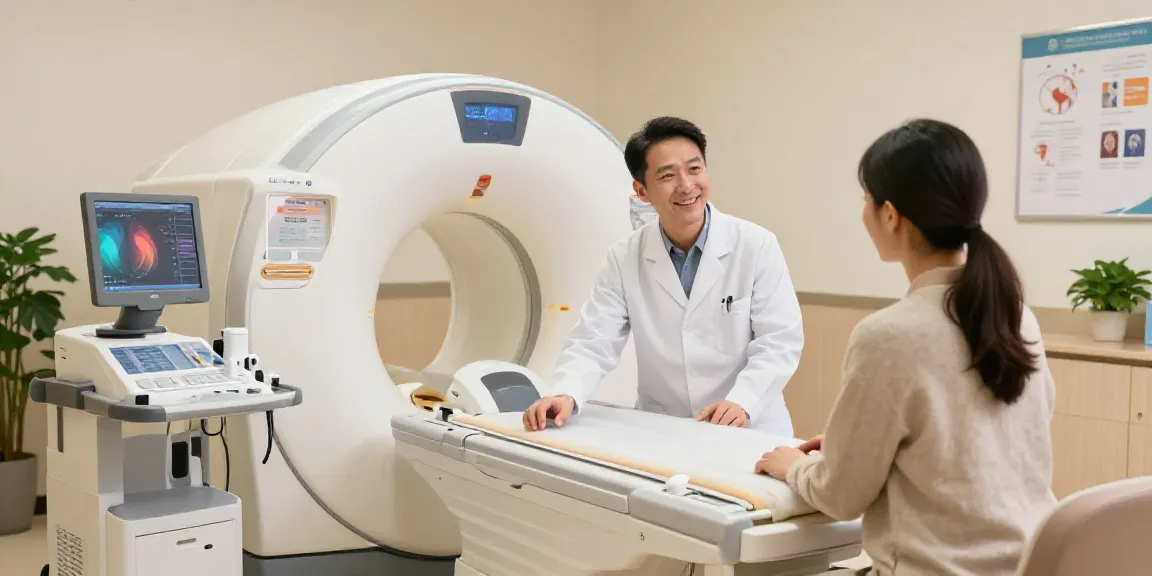
Understanding Prostate Cancer Care
Prostate cancer stands as one of the most prevalent forms of cancer among men worldwide, affecting millions and demanding attention for its diagnosis, treatment, and management. Recent advancements in medical science have transformed how we understand and tackle this disease, leading to innovative care strategies. For those navigating the complexities of prostate cancer, comprehensive resources are available, including specialized programs that focus on Prostate cancer care. Understanding this multifaceted approach is essential for improving patient outcomes and enhancing the quality of life.
What is Prostate Cancer?
Prostate cancer occurs when abnormal cells in the prostate gland begin to grow uncontrollably. The prostate, a walnut-sized gland located below the bladder, plays a crucial role in producing seminal fluid that nourishes and transports sperm. Most prostate cancers develop slowly and may remain asymptomatic for years. However, some types can be aggressive, warranting immediate medical intervention.
The Importance of Early Detection
Early detection is a pivotal factor in successful prostate cancer management. Routine screenings, including digital rectal exams (DRE) and prostate-specific antigen (PSA) tests, can help identify the disease in its nascent stages. Research suggests that men who undergo regular screenings have better survival rates compared to those who do not, particularly for those in high-risk categories.
Prostate Cancer Care Landscape in 2026
The landscape for prostate cancer care is continuously evolving, with technological advancements and patient-centered care becoming increasingly prominent. Innovations in diagnostic techniques, such as MRI fusion-guided biopsies, allow for more precise detection and assessment of prostate abnormalities, thereby facilitating tailored treatment plans.
Why Choose Specialized Prostate Cancer Care?
Opting for specialized care in prostate cancer has become essential due to the complexity of the disease and the variety of treatments available. Dedicated programs not only provide advanced medical interventions but also incorporate holistic care models that address physical, emotional, and social aspects of patient health.
Benefits of a Multidisciplinary Team
A multidisciplinary approach is fundamental in managing prostate cancer effectively. Teams typically comprise urologists, medical oncologists, radiation oncologists, pathologists, and supportive care specialists. This collaboration ensures comprehensive management, with each specialist contributing their expertise to develop personalized treatment plans that meet the unique needs of each patient.
Innovative Treatment Options Available
Modern treatment avenues for prostate cancer range from active surveillance to innovative therapies such as immunotherapy and targeted treatments. These options aim to minimize side effects while maximizing therapeutic efficacy. Furthermore, minimally invasive surgical techniques enhance recovery times and reduce complications.
Patient-Centric Approaches to Care
Putting patients at the center of care is a vital element in modern prostate cancer management. This approach involves shared decision-making, where patients are informed about their conditions and actively participate in their treatment choices. Empowered patients are often more engaged in their care, leading to improved satisfaction and outcomes.
Symptoms, Causes, and Risk Factors
Recognizing Symptoms of Prostate Cancer
Prostate cancer often presents no symptoms in its early stages, making awareness of potential indicators crucial. Common symptoms can include:
- Increased frequency of urination, especially at night
- Difficulties in starting or stopping urination
- Weak or interrupted urine flow
- Painful urination or ejaculation
- Blood in urine or semen
- Pain in the lower back, hips, or thighs
Identifying Risk Factors
While the exact cause of prostate cancer is yet to be determined, several risk factors are associated with an increased likelihood of developing the disease:
- Age: The risk increases significantly after age 50.
- Family history: A family history of prostate cancer elevates risk levels.
- Ethnicity: African American men face a higher risk.
- Hormonal factors: Elevated levels of testosterone may play a role.
Common Misconceptions About Prostate Cancer
There are many myths associated with prostate cancer that can lead to misunderstanding and fear. One prevalent misconception is that all prostate cancers are aggressive; however, most grow slowly and may not require immediate treatment. It's important for patients to seek information from reliable sources to debunk these myths and understand their condition better.
Diagnosis and Screening Techniques
Latest Diagnostic Technologies
Advancements in diagnostic technology have significantly improved the accuracy of prostate cancer detection. Beyond traditional methods like DRE and PSA testing, sophisticated techniques such as multiparametric MRI and targeted biopsies provide more precise information regarding tumor characteristics.
Standard Screening Procedures for Prostate Cancer
Screening for prostate cancer typically involves:
- A digital rectal exam (DRE), where a doctor feels the prostate for abnormalities.
- Blood tests to measure PSA levels, which can indicate the presence of cancer.
- Imaging tests, such as MRI or ultrasound, if abnormalities are detected.
Assessing PSA Levels Effectively
PSA tests measure the concentration of prostate-specific antigen in the blood. Elevated levels may suggest prostate cancer or other prostate-related conditions. However, it is essential to consider PSA results in conjunction with other diagnostic findings to avoid misdiagnosis.
Ongoing Care and Support for Patients
Managing Treatment Side Effects
Treatment for prostate cancer can lead to various side effects, including fatigue, urinary incontinence, and sexual dysfunction. It is crucial for patients to have open discussions with their healthcare team to mitigate these effects through supportive therapies and lifestyle modifications.
Quality of Life During and After Treatment
The goal of prostate cancer treatment extends beyond survival; improving and maintaining a good quality of life is paramount. Holistic approaches encompassing physical, psychological, and emotional health can significantly enhance the overall experience for patients.
Support Networks and Resources Available
Support groups and networks play a vital role in providing emotional and psychological support to patients and their families. Connecting with others who are experiencing similar challenges can foster a sense of community and understanding.
What Should You Ask Your Doctor?
Patients should be proactive in their healthcare by asking critical questions that can help clarify their understanding of treatment options, potential side effects, and what to expect moving forward. This engagement can lead to better-informed decision-making and a more personalized care experience.
How to Maintain Health Post-Treatment?
Post-treatment, patients should focus on maintaining health through regular follow-up appointments, a balanced diet, and an active lifestyle. Engaging in supportive therapies such as physical therapy or counseling can also aid recovery and improve overall well-being.
What Lifestyle Changes Can Help?
Adopting a healthy lifestyle can impact prostate cancer outcomes positively. Key lifestyle changes include:
- Following a diet rich in fruits, vegetables, and whole grains.
- Engaging in regular physical activity.
- Avoiding tobacco and excessive alcohol consumption.
- Managing stress through mindfulness practices or yoga.