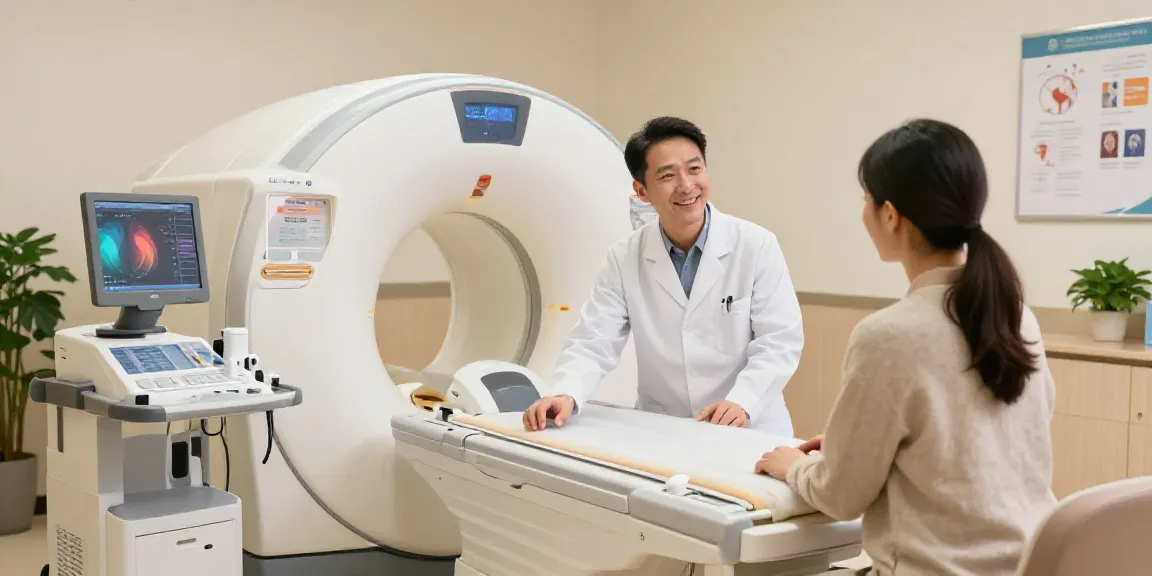
Understanding the Importance of a Complete Health Checkup
A complete health checkup is not merely a routine evaluation; it is a vital component of preventive healthcare that allows individuals to gauge their overall well-being. Regular health assessments can uncover potential health issues before they become significant problems, providing a pathway to prompt intervention. As we navigate an increasingly fast-paced lifestyle, prioritizing our health has never been more essential. When exploring options, a complete health checkup provides comprehensive insights into your physical state, enabling you to make informed decisions about your health journey.
What is a Complete Health Checkup?
A complete health checkup is a thorough assessment conducted by healthcare professionals, aimed at evaluating an individual’s overall health. This assessment typically includes a range of physical examinations, laboratory tests, and screenings tailored to the individual's age, gender, and risk factors. By gathering a complete picture of your health, medical practitioners can identify any areas of concern, monitor existing conditions, and create effective management strategies.
Key Benefits of Regular Health Assessments
- Early Detection: Regular checkups often lead to early detection of diseases such as diabetes, hypertension, and certain cancers, significantly improving treatment outcomes.
- Personalized Health Insights: Health assessments can provide tailored advice based on individual health metrics, lifestyle factors, and family history, promoting better health management.
- Peace of Mind: Knowing your health status can alleviate anxiety and reinforce positive health behaviors.
- Prevention Focus: Checkups encourage proactive health management, focusing on preventive measures rather than reactive treatments.
Common Misconceptions about Health Checkups
Despite the numerous benefits, many misconceptions about health checkups persist. Some people believe that if they feel healthy, a checkup is unnecessary. However, numerous health issues can exist without noticeable symptoms. Others might think that checkups are only for older adults or those with chronic conditions. In reality, health assessments are vital for people of all ages and health statuses, as they help to establish a baseline and track changes over time.
Components of a Comprehensive Health Checkup
Essential Tests and Screenings to Include
The specific tests included in a complete health checkup may vary based on individual needs, but they generally encompass a variety of screenings. Essential tests often include blood pressure and cholesterol level assessments, blood glucose tests, body mass index evaluations, and cancer screenings such as mammograms or colonoscopies. Furthermore, immunization updates and lifestyle assessments are integral components of a thorough health evaluation.
Personalized Health vs. General Protocols
While general health checkups follow established protocols, the best practice is to tailor assessments to meet individual needs. Personalized health evaluations consider various factors, such as family history, personal medical history, and lifestyle choices. This targeted approach ensures that individuals receive the most relevant tests and preventative advice, enhancing the effectiveness of the health checkup.
Understanding Results and Next Steps
Interpreting the results from a health checkup can be daunting. Healthcare professionals play a crucial role in explaining what the results mean and outlining the next steps. For instance, if high cholesterol levels are detected, the doctor might recommend lifestyle changes, such as diet modifications or exercise, or further testing to rule out other health concerns. Understanding your results is vital for maintaining health and ensuring timely medical intervention when necessary.
Preparing for Your Health Checkup
Do’s and Don’ts Before Your Appointment
Proper preparation for a health checkup can enhance the effectiveness of the assessment. Do keep a record of your medical history, medications, and any symptoms you've been experiencing. Don’t consume food or drink before fasting blood tests unless advised otherwise. It is also beneficial to prepare a list of questions to discuss with your healthcare provider during your visit.
How to Communicate Effectively with Your Doctor
Effective communication with your healthcare provider is essential for a successful health checkup. Be honest about your lifestyle habits, concerns, and family history. This information helps your doctor evaluate your health accurately and offer tailored advice. Additionally, don't hesitate to ask for clarification on any terms or recommendations you don't understand; active participation in your healthcare fosters a collaborative relationship.
Health History and its Role in Checkups
Your health history is a crucial component of any checkup. It provides insight into potential hereditary issues and guides the selection of appropriate screenings. Be prepared to discuss not only your personal health history but also that of close family members, as this can significantly influence recommendations for preventive care.
Health Checkup Trends for 2026 and Beyond
Emerging Technologies in Health Assessments
The landscape of health assessments is evolving rapidly, with emerging technologies playing a pivotal role. Wearable devices, for example, can monitor vital signs continuously, providing real-time data that enhances preventive care. Artificial intelligence is also making strides in predictive analytics, allowing healthcare providers to identify high-risk individuals more effectively and tailor interventions accordingly.
Telehealth and Virtual Checkups
Telehealth has reshaped the way health checkups are conducted. Virtual appointments offer convenience, enabling individuals to consult with healthcare providers from the comfort of their homes. This trend is likely to persist in 2026 and beyond, especially as patients increasingly favor flexibility and accessibility in their healthcare options. Telehealth also expands access for populations living in remote areas.
Preventive Care Practices Shaping Future Checkups
Preventive care is pivotal in shaping the future of health assessments. As the focus shifts from treatment to prevention, health checkups will increasingly emphasize lifestyle interventions, risk factor management, and education around nutrition and physical activity. This evolution highlights the importance of empowering patients to take charge of their health, promoting a culture of proactive care.
Maximizing the Benefits of Your Health Checkup
Creating a Personalized Health Plan
Following a health checkup, it is beneficial to collaborate with your healthcare provider to create a personalized health plan. This plan should factor in the results of your checkup and your individual health goals. Whether it involves dietary changes, exercise regimens, or medication adjustments, a tailored approach can significantly enhance your overall well-being.
How to Follow-Up Post Checkup
After your health checkup, establishing a follow-up routine is essential. Schedule any recommended follow-up appointments and tests, and take time to implement the suggestions made by your healthcare provider. Regular check-ins help to ensure that any identified health issues are effectively managed and adjusted as needed, maintaining the trajectory toward better health.
Staying Committed to Your Health Journey
Commitment to your health journey does not end at the checkup. It requires consistent effort, ongoing education, and lifestyle modifications. Engage in healthy habits like regular exercise, balanced nutrition, and routine assessments. Progress may take time, but with perseverance and dedication, long-term health improvements are achievable.
What should I bring to my complete health checkup?
To maximize the efficiency of your health checkup, bring a few important documents, including your identification, insurance information, and any medical records that may be relevant. Additionally, a list of medications, supplements, and any current health concerns can facilitate a productive dialogue with your healthcare provider.
How often should I schedule a complete health checkup?
The frequency of health checkups varies based on individual health status, age, and risk factors. Generally, adults should schedule a complete health checkup every one to three years. However, individuals with chronic conditions or heightened risk may need more frequent assessments. Consulting with your healthcare provider can help determine the most appropriate schedule.
What lifestyle changes can I implement after a health checkup?
Implementing lifestyle changes after a health checkup is crucial for maintaining health. Recommendations may include adopting a balanced diet rich in fruits, vegetables, and whole grains, increasing physical activity levels, quitting smoking, and managing stress effectively. Small changes can accumulate over time and lead to significant health improvements.
Are health checkups necessary if I feel healthy?
Yes, health checkups are necessary even if you feel healthy. Many health conditions remain asymptomatic until advanced stages, making regular assessments vital for early detection. Additionally, routine checkups help monitor existing health risks and maintain a comprehensive understanding of your overall well-being.
What new technologies are being used in complete health checkups?
Innovations in technology are rapidly transforming health checkups. New diagnostic tools, such as advanced imaging technologies, genetic testing, and automated health data collection systems, enhance the accuracy and efficiency of health assessments. These technologies allow healthcare providers to offer personalized care plans based on real-time health data.