Understanding the Celebrity Look Alike Phenomenon
The allure of discovering which famous figure you resemble can be an intriguing endeavor. With advancements in technology and the rise of social media, people are more curious than ever about their celebrity doppelgängers. The term "celebrity I look like" has gained popularity, especially with various applications and tools emerging to help users find their look-alikes. This phenomenon not only serves as entertainment but also taps into deeper aspects of identity and self-perception.
When exploring options, celebrity i look like applications provide comprehensive insights and fun experiences that can be shared among friends and family, making them a must-try in today's digital landscape.
What Does It Mean to Have a Celebrity I Look Like?
The concept of having a celebrity look alike often merges personal identity with public personas. Such comparisons can influence how individuals perceive their looks, boosting confidence when paired with admired celebrities. Interestingly, research has shown that people are often drawn to celebrities who share similar characteristics, such as hair color, facial structure, or even style. This practice can sometimes create a sense of connection or represent aspirations towards specific lifestyles that these celebrities embody.
Popular Celebrity Look Alike Apps and Tools
As technology has improved, numerous applications have emerged to assist users in finding their celebrity counterparts. Popular apps such as "Celebs Like Me" and "StarByFace" utilize cutting-edge AI technology to analyze facial features effectively. Users simply upload their photos, and the software scans a vast database of celebrity images to identify potential look-alikes.
- Celebs Like Me: This app uses advanced algorithms to provide accurate matches with thousands of celebrities.
- StarByFace: Offers a straightforward interface where users upload a photo and receive instant celebrity matches.
- Easemate: An online celebrity look-alike finder that allows users to see their similarity scores alongside celebrity comparisons.
The Science Behind Face Recognition Technology
The technology that powers these look-alike apps is based on sophisticated algorithms and artificial intelligence (AI). By utilizing machine learning techniques, these systems can recognize patterns and features in facial anatomy, comparing them against a vast database of celebrity images. The accuracy and performance of these applications have improved significantly, thanks to advancements in neural networks and computer vision.
Exploring Celebrity Look Alike Apps
Top Features of Celebrity Look Alike Apps in 2026
As we move into 2026, celebrity look-alike applications have evolved to feature enhanced capabilities. Users can expect:
- Real-time Comparisons: The ability to see side-by-side comparisons of faces in real-time.
- Expanded Celebrity Database: Access to an ever-growing list of celebrities, including newer social media influencers and actors.
- Shareable Results: Options to easily share results on social media platforms, adding a layer of social engagement.
User Reviews: Which Apps Are the Most Accurate?
When it comes to accuracy, user reviews often play a crucial role in determining which celebrity look-alike apps are the best. Most users appreciate applications that deliver quick, reliable results and have intuitive interfaces. Apps like "Celebs" often receive high ratings for their accuracy and user-friendly design, making them popular choices among users eager to find their celebrity twins.
How to Choose the Right Celebrity Look Alike App
Selecting the right app can significantly impact your experience. Consider the following factors when choosing:
- User Interface: Look for apps that are easy to navigate.
- Data Privacy: Ensure the app respects user privacy and does not misuse your photos.
- User Feedback: Research user reviews and ratings to gauge performance and reliability.
The Role of AI in Celebrity Look Alike Technology
How AI Enhances User Experience in Look Alike Apps
Artificial intelligence plays a pivotal role in enhancing user experiences within celebrity look-alike applications. AI algorithms not only enable facial recognition but also adapt to user preferences over time. This intelligent design offers more personalized results and improves the accuracy of matches based on user feedback and interactions.
The Future of AI-Powered Celebrity Comparisons
The potential for further advancements in AI technology suggests exciting futures for celebrity comparison applications. Increased accuracy, faster processing times, and the integration of augmented reality features may allow users to see how they compare with celebrities in various contexts—like fashion, hairstyles, and even makeup.
Ethical Considerations in AI Facial Recognition
Despite its benefits, the use of AI in facial recognition technology raises ethical concerns. Issues around data privacy, consent, and potential misuse of personal images are paramount. Developers must navigate these challenges carefully, ensuring that users feel safe and secure while using these innovative platforms.
Real-Life Applications of Celebrity Look Alike Technology
How Brands Use Celebrity Look Alike Data for Marketing
Marketers have begun leveraging celebrity look-alike data to target audiences more effectively. By analyzing which celebrities resonate with certain demographics, brands can create tailored campaigns that appeal to the aspirations and identities of their customers. This approach enhances audience engagement, focusing on the emotional connections that celebrities evoke.
Social Media Trends: Sharing Your Celebrity Look Alike
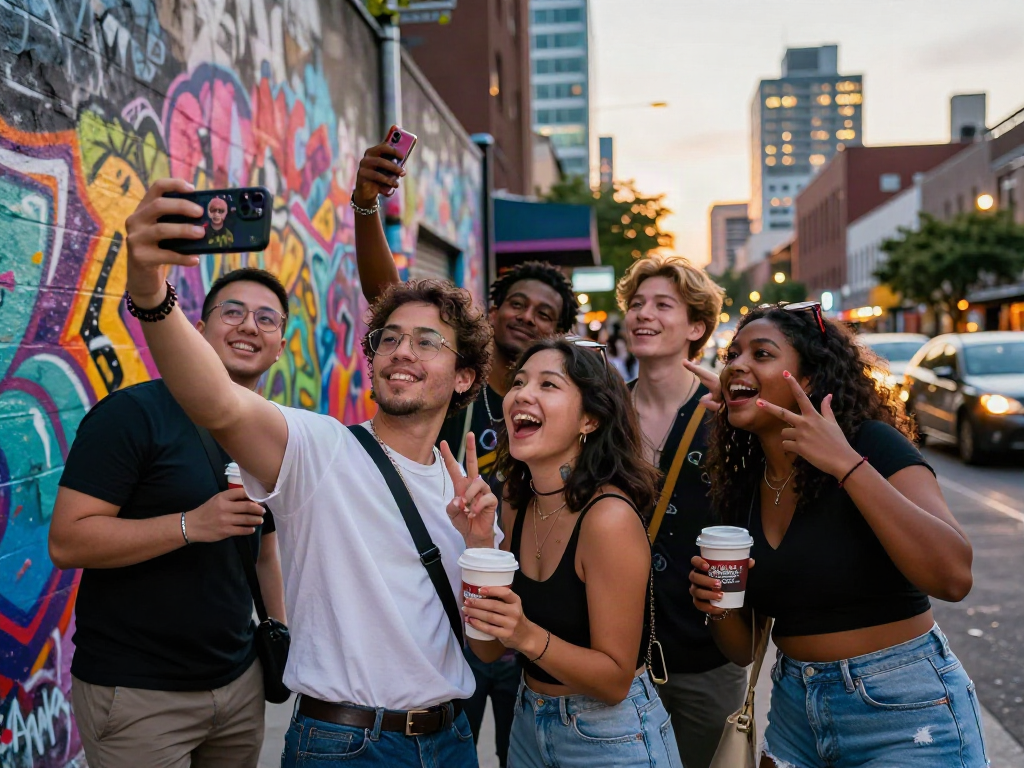
As celebrity look-alike apps gain traction, they have spurred social media trends, encouraging users to share their results. Posting side-by-side comparisons fosters community interactions and lighthearted discussions about appearance and identity, creating a broader cultural conversation about celebrity culture and self-image.
Case Studies: Successful Campaigns Using Look Alike Apps
Several successful marketing campaigns have incorporated celebrity look-alike technology. For instance, beauty brands have utilized these apps to promote products, suggesting that customers find their celebrity twin to showcase how the product could work for them. This strategy not only generates buzz but also reinforces the aspirational aspect of their brand.
Future Trends in Celebrity Look Alike Technology
What’s Next for Celebrity Look Alike Apps in 2026?
As technology continues to evolve, the next big leap for celebrity look-alike apps may involve integrating virtual reality (VR) experiences. Users could virtually interact with their celebrity look-alikes through simulated environments, enhancing the engagement factor in a fun and innovative way.
Emerging Technologies Influencing Look Alike Tools
Emerging technologies, such as 5G connectivity, have the potential to revolutionize the performance of look-alike applications. Faster data transfer rates will facilitate real-time analysis and reduce the time needed to generate results, making the experience more engaging for users.
Preparing for Changes in User Expectations and Experiences
As technology advances, user expectations will likely shift. Users will seek accuracy, speed, and enhanced interactive experiences. Developers must remain adaptable, continuously iterating and improving their applications to meet these evolving demands.
What are the Pros and Cons of Celebrity Look Alike Apps?
Like any technology, celebrity look-alike apps come with their advantages and disadvantages:
- Pros: Fun and engaging, easy to share, and can provide a boost in self-esteem by connecting users with admired figures.
- Cons: Concerns over data privacy and the potential for users to feel disappointment if their matches are less flattering.
Is There Potential for Celebrity Look Alike Apps in Education?
Interestingly, celebrity look-alike technology could also find applications in education. For example, educators could use it to teach about facial recognition technology and its ethical implications. Moreover, it could also help students explore identity and representation in media, making the topic relatable and engaging.