Understanding Age Perception in Modern Society
In today's visually driven culture, the question of "how old do I look" often transcends mere curiosity; it taps into deeper societal concerns about aging, beauty standards, and personal identity. The perception of age is influenced by a myriad of factors including genetics, lifestyle, and increasingly, technological advancements. Understanding this complex interplay can help individuals navigate their own feelings about age and appearance.
The Psychology Behind Facial Age Recognition
The way we perceive age is not purely biological; it's also deeply psychological. Our brains are hardwired to make quick assessments of age based on facial features. Research indicates that certain characteristics, such as skin texture, wrinkles, and facial contours, significantly influence how old we think someone looks. Interestingly, studies suggest that facial symmetry and youthful features can create an impression of being younger, which impacts social interactions and self-esteem.
How Old Do I Look? The Role of AI in Age Estimation
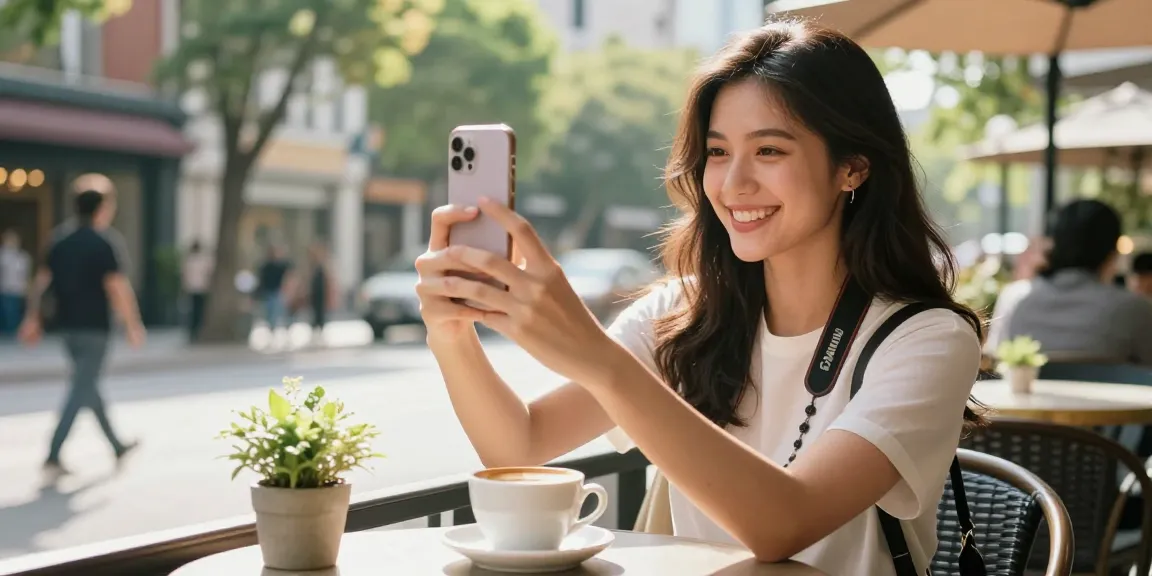
Artificial intelligence has revolutionized the way we answer the question, how old do I look. AI-powered age estimation tools analyze a photograph to predict perceived age with impressive accuracy. These tools utilize large datasets of facial images to train algorithms that can identify patterns associated with different age groups. As a result, users can receive instant feedback on how they appear to others, often with the goal of boosting confidence or providing insights for skincare and beauty routines.
Influence of Social Media on Age Perception
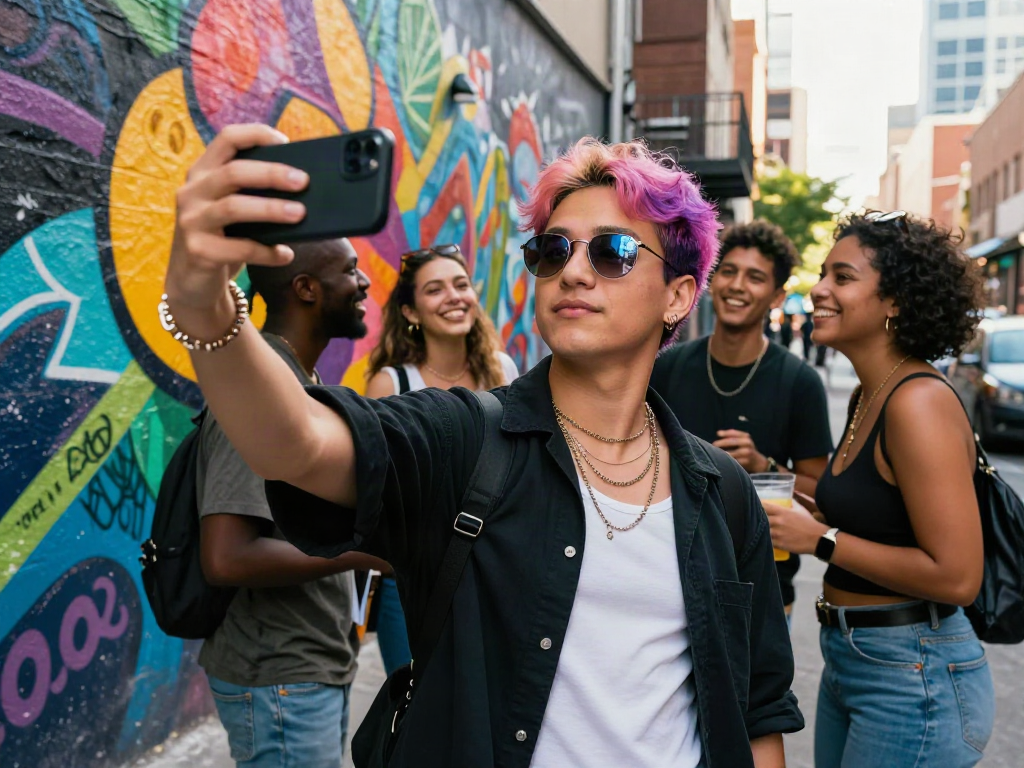
Social media platforms exacerbate the fixation on age perception by showcasing edited and filtered images that often depict unrealistic beauty standards. This digital age pressure prompts users to compare their natural appearance with highly curated versions of reality, creating a skewed sense of self. The prevalence of youth-centric content can lead to a heightened fear of aging, prompting individuals to engage in various beauty regimens or even surgical procedures to conform to perceived norms.
Technology and Tools: Innovations in Age Estimation
Overview of Popular AI Age Guessers
Numerous applications and websites now specialize in estimating age through facial analysis. Some of the most popular include FaceAge.ai, Fotor, and BeautyPlus, which allow users to upload images for rapid evaluation. These tools usually feature user-friendly interfaces and provide immediate feedback, making them accessible to a broad audience.
Comparing Accuracy: Key Features of Leading Applications
While most AI age guessers aim for high accuracy, the technology can vary. Factors to consider include the depth of the AI's training dataset, the resolution of the images analyzed, and additional features like skin health assessments or personalized recommendations based on the user's age estimation. Comparing user reviews and expert analyses can help consumers choose the best tool for their needs.
User Experience: Choosing the Right Tool for You
When selecting an age estimation tool, consider user experience alongside accuracy. Look for applications that offer not just age predictions, but also insightful analyses of skin conditions, beauty tips, and community engagement features. A tool that combines fun with educational insights can enhance your overall experience and provide greater value.
Common Misconceptions About Age and Beauty
Debunking Myths: How Age Affects Beauty Standards
There are pervasive myths that dictate what constitutes beauty at various ages, often leading to unrealistic expectations. For instance, the idea that only youth equates to beauty is being challenged, as many cultures begin to embrace the wisdom and character that come with age. Additionally, beauty standards are becoming increasingly inclusive, recognizing diverse forms of beauty that transcend age.
Real-Life Examples of Age Bias in Media
Media representation has historically favored youth, often sidelining older individuals. This bias can lead to a societal perception that those over a certain age are less attractive or relevant. However, campaigns featuring older models and celebrities are slowly changing narratives, promoting the idea that beauty is ageless and can be celebrated at any stage of life.
How Old Do I Look? Addressing the Fear of Ageing
Addressing the underlying fears associated with aging can foster a healthier mindset. Education about the natural aging process and its effects can alleviate anxiety surrounding one's appearance. Furthermore, embracing age can inspire confidence, allowing individuals to focus on their strengths rather than perceived flaws.
Strategies for Embracing Your Age
Practical Tips for Enhancing Your Natural Beauty
Cultivating beauty at any age starts with self-care. Establishing a skincare routine that caters to your skin's specific needs can enhance your appearance. Staying hydrated, maintaining a balanced diet rich in vitamins and antioxidants, and incorporating regular exercise into your routine can also promote a youthful glow. Moreover, embracing your natural hair color and style can reinforce positive self-image and confidence.
Psychological Benefits of Self-Acceptance
Self-acceptance plays a crucial role in mental health and overall well-being. Recognizing and celebrating your age can lead to improved self-esteem and a more fulfilling life. Engaging in positive self-talk and surrounding yourself with supportive individuals can bolster this acceptance, making it easier to feel comfortable in your own skin.
Engaging with Communities Around Age Awareness
Joining communities that focus on age awareness can provide invaluable support. These groups often share stories and advice on aging gracefully, helping members embrace their journeys. Participating in workshops, forums, or social media groups dedicated to age positivity can foster connections that enrich your life.
The Future of Age Perception and Technology
Emerging Trends in AI and Age Recognition
The field of AI is rapidly evolving, and its applications in age estimation are becoming increasingly sophisticated. Future innovations may include real-time age detection in video calls or augmented reality applications that allow users to visualize aging effects on themselves instantaneously. These advancements will likely enhance the personalization of beauty products and services tailored to specific age-related concerns.
Predictions for Age Perception in 2026 and Beyond
By 2026, it is anticipated that age perception will continue to shift towards a more inclusive understanding of beauty across all ages. As technology progresses, there will be a greater emphasis on emotional intelligence and self-acceptance, allowing individuals to embrace their unique aging journeys instead of adhering to rigid standards.
How Old Do I Look? Evolution of Social Norms and Standards
As we move forward, the conversation around age will continue to evolve. The tools that help answer the question "how old do I look" will not only assist in assessing biological age but also contribute to reshaping societal perceptions about aging. This evolution will encourage acceptance of aging as a natural and beautiful part of life.
Frequently Asked Questions
How accurate are age estimation tools?
While most AI tools provide a relatively accurate estimate, variability exists based on the algorithm used and the quality of the input image. Generally, these tools are best used for entertainment purposes rather than definitive assessments.
Can taking care of your skin change how old you look?
Absolutely. A solid skincare routine can significantly impact your skin's health and appearance. Using products rich in antioxidants, sunscreen, and moisturizers can help maintain youthful skin.
Are AI estimations reliable for all ages?
AI estimations are typically more reliable for individuals in mid-adulthood, as factors contributing to aging become more pronounced. These tools may be less accurate with children or very young adults.
What factors influence age perception the most?
Key factors influencing age perception include facial features, skin condition, lifestyle choices, and even cultural backgrounds, which all contribute to how individuals are viewed by society.
How does cultural background affect age perception?
Different cultures have varying beliefs about aging and beauty, influencing how age is perceived. In some cultures, age is associated with wisdom and respect, while in others, youthfulness is idealized.