Understanding Complete PCB Assembly Services
In today’s fast-paced technological landscape, the demand for reliable and efficient electronic components is at an all-time high. Complete PCB assembly services play a crucial role in meeting this demand by providing end-to-end solutions that streamline the production of printed circuit boards. These services encompass everything from design and prototyping to manufacturing and testing, ensuring that companies can bring their electronic products to market swiftly and with superior quality. When exploring options, complete PCB assembly services offer a comprehensive approach that can simplify the complex process of electronic manufacturing.
What Are PCB Assembly Services?
PCB assembly services are integral to the creation of electronic devices, enabling businesses to transform their designs into functional products. These services involve the assembly of various electronic components onto a printed circuit board (PCB), which serves as the backbone for electronic devices. Companies that offer PCB assembly typically provide a range of services, including:
- Design Services: Assisting clients in creating custom PCBs that meet specific technical requirements.
- Prototyping: Producing initial samples of PCB designs to test functionality before mass production.
- Component Sourcing: Procuring necessary electronic components from trusted suppliers to ensure quality and reliability.
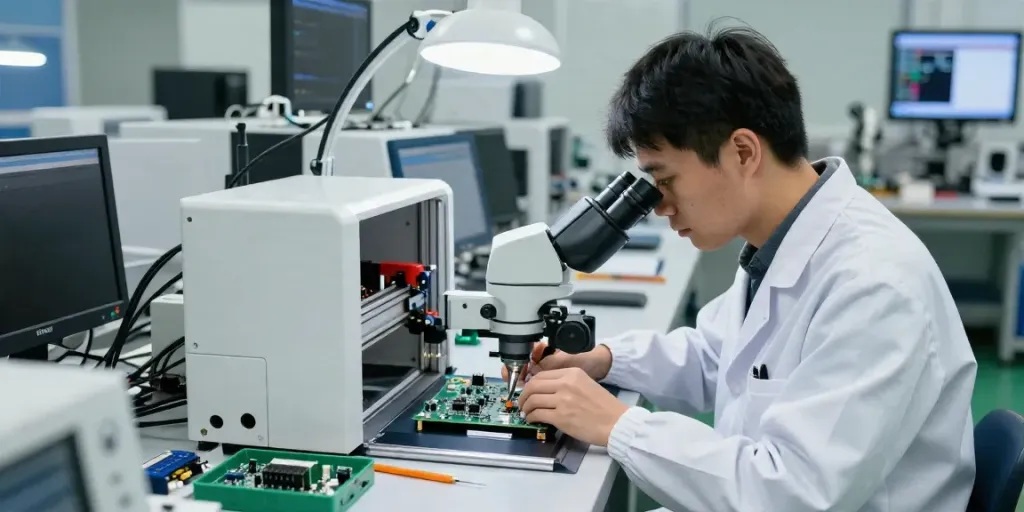
- Assembly: Physically placing and soldering components onto the PCB using various methods, including surface mount technology (SMT) and through-hole technology.
- Testing: Conducting rigorous testing procedures to ensure that the assembled boards function as intended.
Key Components of PCB Assembly
To fully grasp the importance of PCB assembly services, it is essential to understand the key components involved in the process:
- PCBs: The printed circuit board itself, which provides the substrate for component placement.
- Electronic Components: These can include resistors, capacitors, integrated circuits, and connectors that are mounted onto the PCB.
- Assembly Techniques: Different methods such as SMT, which allows for higher density and faster assembly, and through-hole techniques, which are more suitable for larger components.
- Soldering Methods: Options include manual soldering, wave soldering, and reflow soldering, each chosen based on the specific assembly needs.
Types of PCB Assembly Processes
There are several types of assembly processes that businesses can choose from, depending on their production needs:
- Turnkey PCB Assembly: This all-inclusive service takes care of everything from component sourcing to assembly and testing.
- Consignment Assembly: Clients provide their own components, and the assembly service focuses on the physical assembly process.
- Prototype Assembly: Ideal for companies developing new products, allowing for small batch production to test designs.
Benefits of Complete PCB Assembly Services
Engaging complete PCB assembly services can provide numerous advantages to businesses looking to scale their operations effectively.
Efficiency in Manufacturing
One of the most significant benefits of utilizing complete PCB assembly services is the efficiency gained in manufacturing. By outsourcing assembly to specialists, companies can leverage advanced technologies and expertise, leading to quicker turnaround times. Innovative assembly techniques, such as automated pick-and-place machines, drastically reduce assembly time and minimize human errors.
Cost-Effectiveness Analysis
Outsourcing PCB assembly can be a cost-effective strategy for many businesses. It eliminates the need for companies to invest heavily in equipment, labor, and facilities for PCB assembly. Additionally, bulk purchasing of components through a dedicated assembly service can lead to lower costs per unit, enhancing overall profitability.
Quality Assurance and Testing
Quality assurance is paramount in the manufacturing of electronic components. Complete PCB assembly services provide rigorous testing phases that ensure each board meets specific quality standards. Services often include automated optical inspection (AOI) and functional testing to catch defects early, thereby reducing the risk of failure in the final product.
Challenges in PCB Assembly Services
Despite the advantages, there are challenges that come with PCB assembly services that companies must navigate to achieve successful outcomes.
Common Misconceptions About Technical Capabilities
Many businesses may underestimate the technical capabilities required for high-quality PCB assembly. Misconceptions about the ease of assembly or the quality of outsourced services can lead to subpar results. It is essential to partner with an assembly service that possesses the right technology and expertise.
Identifying Supply Chain Issues
Supply chain disruptions can significantly impact the availability of critical components needed for assembly. Companies must be proactive in identifying potential sourcing issues and maintaining strong relationships with suppliers to mitigate risks associated with component shortages.
Meeting Regulatory Compliance Standards
As electronic products are subjected to various regulatory compliance standards, ensuring that the assembly services adhere to these requirements is vital. This process can be complex, and any failure to meet regulations can result in costly delays and reputational damage.
Best Practices for PCB Assembly
To ensure successful PCB assembly, businesses should consider the following best practices:
Steps for Successful PCB Assembly
- Define clear project specifications and requirements to guide the assembly process.
- Select a qualified assembly service with a proven track record in delivering high-quality results.
- Regularly communicate with the assembly service to address any concerns or changes in specifications promptly.
Choosing the Right Materials and Components
The choice of materials and components can significantly impact the performance and reliability of the final product. Selecting high-quality components and ensuring compatibility with the PCB design is crucial for minimizing defects and failures.
Integrating Automation Technologies
Embracing automation in the assembly process can enhance efficiency and accuracy. Companies should consider investing in robotic assembly systems and advanced testing technologies to streamline operations and improve overall quality.
Future Trends in Complete PCB Assembly Services
Looking ahead, several trends are likely to shape the landscape of complete PCB assembly services in 2026 and beyond.
Emerging Technologies in PCB Manufacturing
Innovations such as 3D printing and advanced materials are expected to revolutionize PCB manufacturing. These technologies can enable the production of complex designs that were previously unfeasible, pushing the boundaries of what is possible in electronic components.
Environmental Considerations and Sustainability
Sustainability is becoming increasingly important in manufacturing processes, including PCB assembly. Companies are expected to adopt environmentally friendly practices, such as using recyclable materials and reducing waste, to meet consumer demand for sustainable products.
Predictions for the PCB Industry in 2026
As the industry evolves, experts predict a continued growth in smart electronics, driving higher demand for sophisticated PCB assembly services. Companies that can adapt to these changes and invest in advanced technologies will likely secure a competitive advantage.
How Expensive is it to Order a PCB?
The cost of ordering a PCB can vary widely based on factors such as complexity, size, material, and quantity. On average, prototyping a simple board might range from $500 to $2,500, while more complex assemblies can escalate costs significantly.
What is a PCB Manufacturer?
A PCB manufacturer is a company that specializes in producing printed circuit boards used in electronic devices. Manufacturers may offer a range of services, including prototyping, mass production, and assembly of PCBs.
Can You Reverse Engineer a PCB?
Yes, reverse engineering a PCB involves analyzing a finished board to understand its design and functionality. This process can be useful for replicating existing products or improving upon original designs.
Who are the Best PCB Manufacturers in the USA?
Some of the top PCB manufacturers in the USA include companies known for their quality and innovation, such as Jabil, Flex, and Sanmina. These firms often provide comprehensive assembly services and cater to diverse industries.
What Innovations are Reshaping PCB Assembly?
Innovations such as IoT integration, smart manufacturing techniques, and advanced software for design and simulation are reshaping the PCB assembly industry, enhancing efficiency and enabling more complex designs.