Understanding Aerospace CNC Machining
CNC machining in the aerospace sector is a vital process that involves using computer-controlled machines to create precision-engineered parts and components. As the aerospace industry consistently demands high standards for safety and performance, it becomes imperative to partner with leading aerospace cnc parts manufacturers that specialize in delivering timely and accurate machining services. This article will delve into the intricacies of aerospace CNC machining, including its advantages, applications, and choosing the right manufacturer for your specific needs.
What are CNC Machining Services in Aerospace?
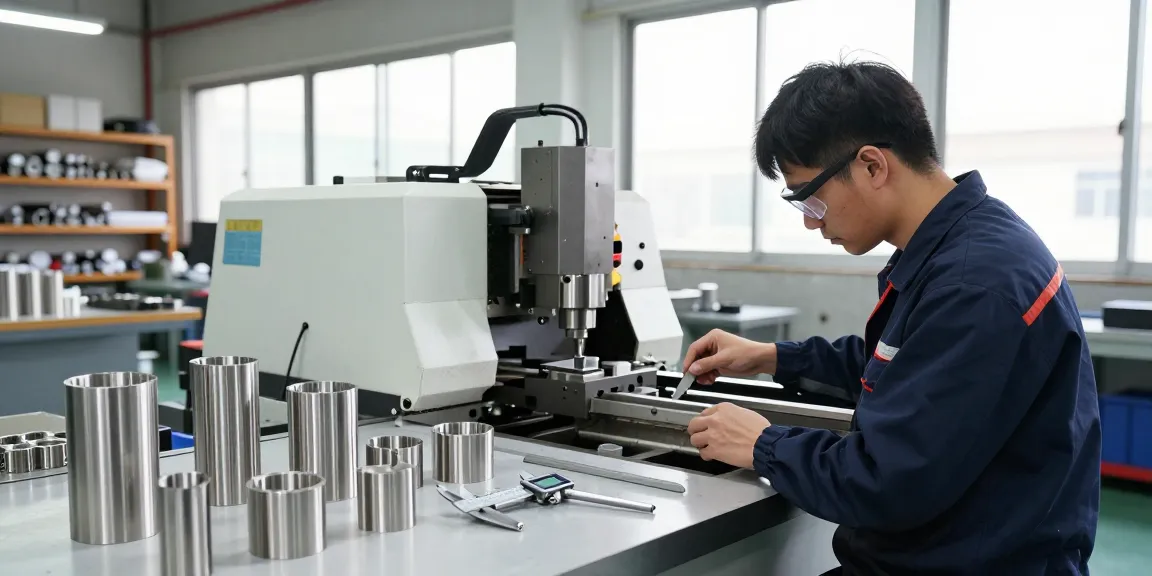
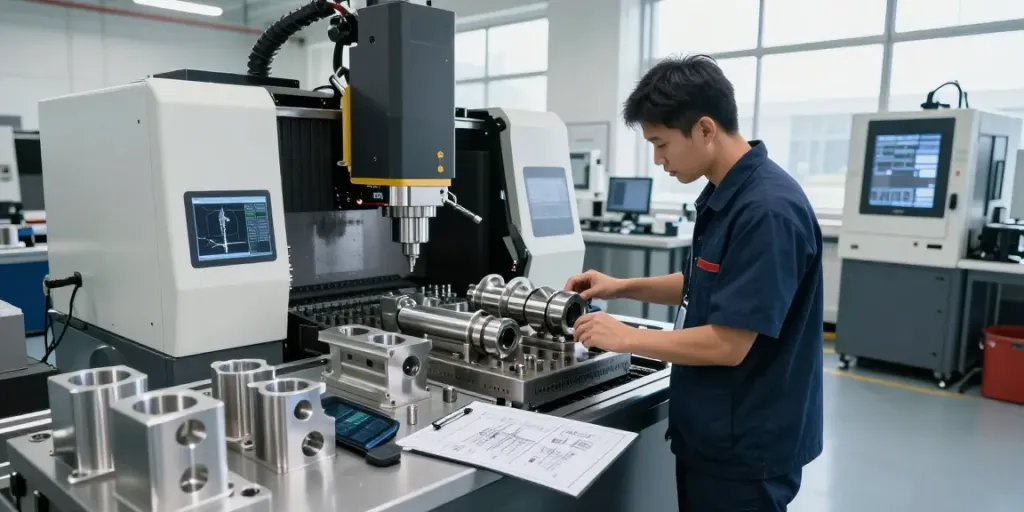
CNC machining services refer to the creation of parts through the use of computerized machines that execute precise cuts and modifications to materials. In aerospace manufacturing, these services play a crucial role in producing components that must meet rigorous safety regulations and performance criteria. CNC machines can work with a variety of materials, allowing manufacturers to produce everything from intricate brackets to heavy-duty structural components.
Key Advantages of Using CNC Machining for Aerospace Parts
The aerospace industry benefits immensely from the advanced capabilities of CNC machining. Here are some key advantages:
- Precision and Accuracy: CNC machines provide unparalleled accuracy, ensuring that every component meets the strict tolerances specified by engineering designs.
- Efficiency: Automated processes significantly reduce production times, enabling faster turnaround on both prototypes and large production runs.
- Complex Geometries: CNC machining can produce complex shapes and features that would be difficult or impossible to achieve with traditional machining methods.
- Cost-Effectiveness: While initial setup costs may be higher, the efficiency and precision of CNC machining often lead to lower overall costs in the long run.
Common Applications of Aerospace CNC Machining
Aerospace CNC machining finds numerous applications throughout the industry. Some notable examples include:
- Engine components such as housings and turbine blades
- Structural elements of aircraft including wing spars and fuselage sections
- Precision fittings and fasteners
- Instrumentation housings and control components
Choosing the Right Aerospace CNC Parts Manufacturer
Selecting the appropriate aerospace CNC parts manufacturer is crucial for project success. Here are important factors to consider during your selection process.
Factors to Consider When Selecting a Manufacturer
When evaluating potential CNC manufacturers, consider the following:
- Experience: Look for a manufacturer with a proven track record in the aerospace sector, as experience can directly impact quality and reliability.
- Technology: Assess the types of CNC machines and technologies they use to ensure they can meet your specific requirements.
- Lead Times: Understand their production capabilities and lead times to ensure they align with your project schedules.
Assessment of Manufacturer Certifications and Standards
Ensure that the manufacturer adheres to industry standards and certifications, such as AS9100 and ISO 9001. These certifications demonstrate a commitment to quality management systems and frameworks that are essential in the aerospace industry.
Evaluating Manufacturer Capabilities and Technologies
It's important to gauge the capabilities of a potential CNC machining partner. Look for their experience with various materials, their machining processes, and whether they can handle large-scale production as well as rapid prototyping. Understanding their technological capabilities can provide insights into their ability to meet your requirements.
Material Selection for Aerospace Components
Choosing the right material is fundamental to the performance and safety of aerospace components. Below, we explore commonly used materials in aerospace CNC machining.
Overview of Commonly Used Metal Materials
Metal materials feature prominently in aerospace applications due to their strength and durability. Commonly used metals include:
- Aluminum: Lightweight and corrosion-resistant, aluminum is widely used for structural components.
- Titanium: Known for its high strength-to-weight ratio, titanium is ideal for components exposed to extreme conditions.
- Steel: Various grades of steel provide excellent strength, commonly used for fasteners and landing gear components.
Popular Plastic Materials in Aerospace Manufacturing
In addition to metals, several plastic materials are also utilized in aerospace applications, for their lightweight and moldability properties. Some popular plastics include:
- Polypropylene (PP): Lightweight with good chemical resistance.
- Polyurethane (PU): Flexible and durable, often used for seals and gaskets.
- Acrylonitrile Butadiene Styrene (ABS): A strong and impact-resistant plastic ideal for interior components.
Impact of Material Selection on Performance and Cost
The choice of materials can affect not only the performance of aerospace parts but also the overall production costs. Metals generally provide superior performance but can be more expensive than plastics. Understanding the application requirements and balancing cost with performance is essential for project success.
Best Practices for Successful Aerospace Projects
Successfully executing aerospace projects through CNC machining requires adherence to best practices. Here are actionable strategies.
Strategies for Effective Rapid Prototyping
Rapid prototyping is crucial for testing and validation in aerospace projects. Utilize CNC machining to create prototypes quickly and economically, allowing for iterative testing and refinement before mass production.
Optimizing for Mass Production Efficiency
When transitioning to mass production, consider optimizing workflows, reducing setup times, and ensuring that machinery is running at optimal capacity to enhance efficiency.
Maintaining Quality Control Throughout Production
Implement rigorous quality control measures at every stage of production. This includes regular inspections, utilizing statistical process control methods, and adhering to industry standards to ensure all components meet safety and performance requirements.
Future Trends in Aerospace CNC Machining
The aerospace manufacturing landscape is continuously evolving, with emerging technologies and changing regulations influencing CNC machining practices.
Emerging Technologies in CNC Machining for Aerospace
Technologies such as additive manufacturing, advanced robotics, and artificial intelligence are beginning to integrate into CNC machining processes, leading to increased precision and reduced lead times.
Predictions for the Aerospace Manufacturing Industry by 2026
By 2026, we can expect to see a shift towards more sustainable and efficient production methods. Innovations in materials science may lead to the development of new composites that provide enhanced performance while reducing weight.
How Environmental Standards are Shaping the Future
Growing environmental concerns are prompting the aerospace industry to adopt more sustainable practices. Manufacturers are increasingly focusing on environmentally friendly materials and processes to minimize waste and carbon footprint.