Understanding CNC Machining for Stainless Steel Parts
CNC machining, or Computer Numerical Control machining, is a process that employs computerized controls to operate machinery. This technology has revolutionized the way manufacturers design and produce items, particularly in industries that require precision engineering. When dealing with materials like stainless steel, which are known for their strength and durability, CNC machining can deliver highly intricate designs with remarkable accuracy. Understanding the mechanics of CNC machining is crucial for businesses looking to procure quality components. For those exploring their options, cnc stainless steel parts suppliers provide comprehensive insights into the latest offerings in the market.
What is CNC Machining?
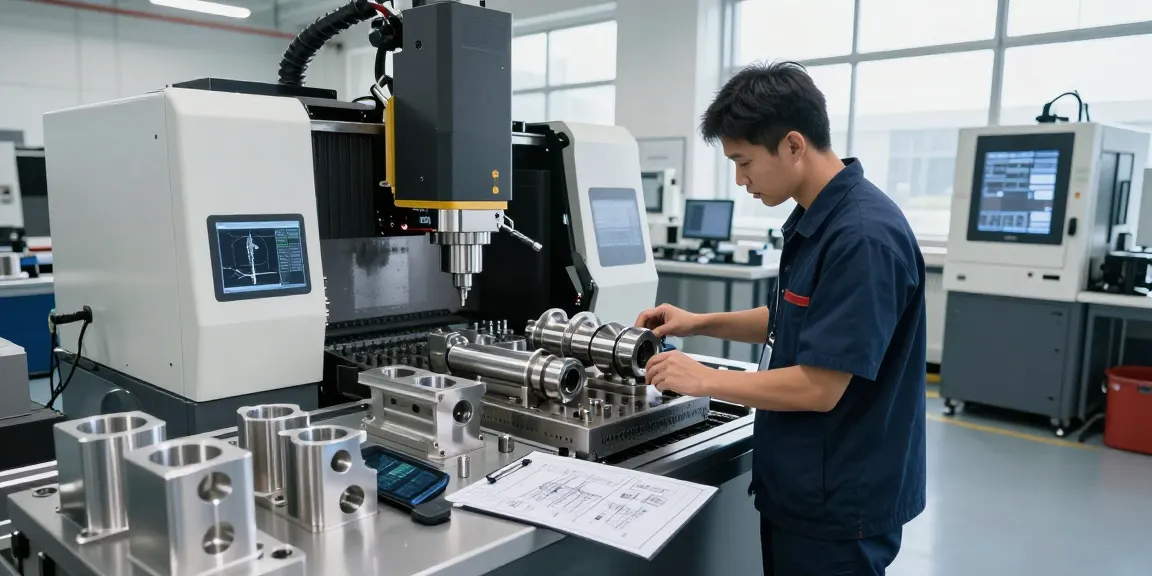
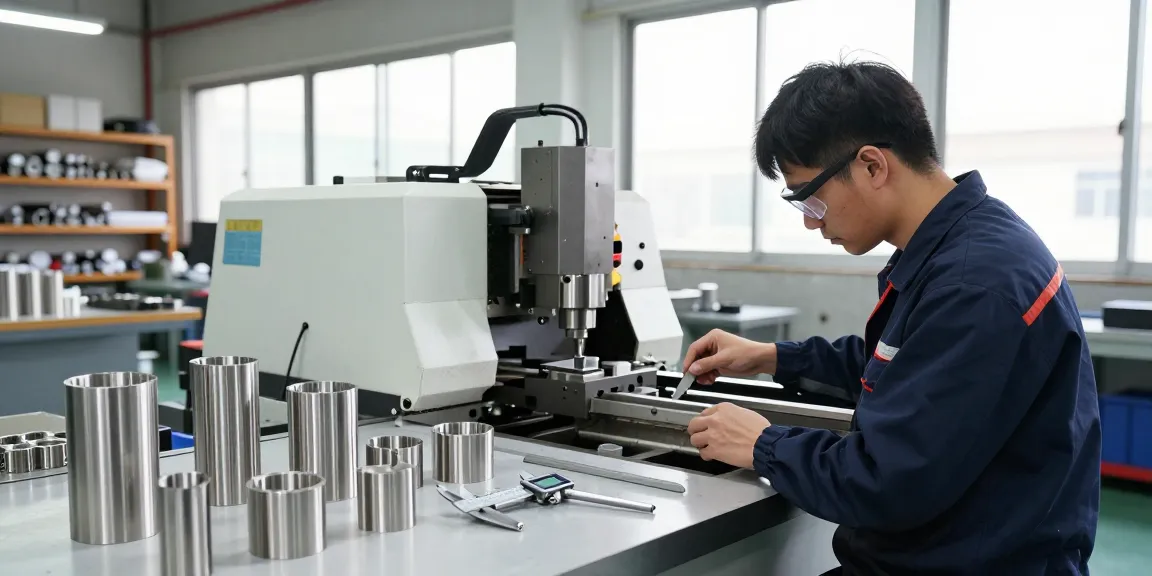
CNC machining is a subtractive manufacturing process that involves removing material from a solid block to create a desired shape. Through the use of computer-aided design (CAD) software, manufacturers can create precise 3D models of the part they want to produce. The CNC machine then translates these designs into detailed instructions that guide tools to cut, drill, and shape the material. This method enhances repeatability and ensures that each part produced meets strict specifications.
How CNC Technology Works in Metal Fabrication
The process of CNC machining begins with the creation of a CAD model, followed by the conversion of the model into G-code. This code is a language that CNC machines understand, directing them on movements, tool changes, and speed settings. The machine's tools, which can be mills, lathes, or routers, operate with extreme precision to carve out the designed parts from stainless steel blocks. Various techniques, including milling, turning, and electrical discharge machining (EDM), are used based on the complexity and requirements of the part.
Benefits of Using CNC for Stainless Steel Parts
Several advantages make CNC machining particularly suitable for stainless steel parts:
- Precision: CNC machines can achieve tight tolerances, essential for components that must fit together perfectly.
- Efficiency: Unlike traditional machining methods, CNC processes are automated, reducing production timelines significantly.
- Versatility: CNC technology can handle a wide range of stainless steel grades, including 304, 316, and 410, catering to different applications.
- Scalability: Once set up, CNC machines can run continuously, facilitating large-scale production without compromising quality.
Identifying Reliable CNC Stainless Steel Parts Suppliers
Finding a trustworthy supplier for CNC stainless steel parts is critical for businesses sought after quality and reliability. The right supplier can significantly influence the overall production quality and project success, making the selection process paramount.
Key Qualities to Look for in Suppliers
When searching for CNC stainless steel parts suppliers, consider the following attributes:
- Experience: Suppliers with a long track record in the industry usually have refined processes and a wealth of knowledge.
- Certifications: Look for suppliers with relevant industry certifications, such as ISO 9001, which indicates a commitment to quality management.
- Customer Service: A responsive and knowledgeable customer service team can enhance your buying experience and assist in troubleshooting any issues.
- Technology: Suppliers who invest in the latest CNC technology offer better quality and efficiency in production.
Evaluating Supplier Capabilities and Certifications
Before finalizing a supplier, it's crucial to evaluate their capabilities. Request information regarding their machining techniques, types of equipment, and production capacity. Moreover, certifications can provide insight into their commitment to quality and industry standards. For example, ISO certification indicates that the company adheres to stringent quality control processes, which can improve reliability in production.
Case Studies: Top Suppliers and Their Offerings
Several companies have established themselves as leaders in the CNC stainless steel parts market. For instance, Proto Labs focuses on rapid prototyping and offers a variety of stainless steel options, while eMachineShop provides user-friendly CAD software to simplify the ordering process. Their case studies often illustrate how they successfully meet diverse customer needs, showcasing their expertise in CNC machining.
Cost Considerations When Sourcing CNC Stainless Steel Parts
Understanding the cost structure associated with CNC machining is essential for effective budgeting and decision-making. Several factors influence the expenses involved in sourcing CNC stainless steel parts.
Factors Affecting CNC Machining Costs
Costs can vary based on:
- Material Type: Different grades of stainless steel come with varying price tags, and selecting the most appropriate one can influence overall costs.
- Complexity of Design: More intricate designs require advanced machining techniques, increasing labor and machine time.
- Quantity: Larger production runs generally offer lower per-unit costs due to economies of scale.
- Lead Times: Urgent requests may incur additional fees, highlighting the importance of planning ahead.
Strategies for Cost-Effective Sourcing
To optimize costs while maintaining quality, consider implementing the following strategies:
- Partner with Suppliers: Establish long-term relationships with reliable suppliers to benefit from reduced rates and improved services.
- Utilize Technology: Invest in CAD and CAM software to streamline design processes, reducing time and labor costs.
- Evaluate Multiple Suppliers: Comparing quotes from various CNC stainless steel parts suppliers allows for better negotiation and ensures competitive pricing.
Comparing Quotes from Multiple Suppliers
When comparing quotes, focus on the total cost of ownership rather than just the initial price. This approach includes considering factors like shipping, lead times, and post-production support, which can significantly impact overall expenses.
Challenges in Sourcing CNC Stainless Steel Parts
While there are numerous benefits to CNC machining, challenges still exist in sourcing stainless steel parts. Recognizing these issues is vital for effective planning and management.
Common Issues and How to Address Them
Common problems include:
- Quality Variability: Inconsistent quality can arise from different suppliers or production batches. Implementing stringent quality checks and requiring certifications can mitigate these risks.
- Supply Chain Disruptions: Global events can impact material availability. Diversifying your supply chain can enhance resilience.
- Long Lead Times: Delays can jeopardize project schedules. Foster open communication with suppliers to set realistic timelines and adjust expectations where necessary.
Logistics and Supply Chain Management
Effective logistics play a critical role in sourcing CNC stainless steel parts. Develop a robust supply chain management strategy that includes tracking shipments, maintaining clear communication with suppliers, and ensuring timely deliveries to avoid bottlenecks in production.
Mitigating Risks in Supplier Relationships
To reduce risks, conduct regular evaluations of supplier performance. Utilize metrics such as on-time delivery rates and quality inspection results to assess their capabilities. Establishing clear contracts and expectations can also protect your interests.
Future Trends in CNC Machining and Supply Chains for 2026
As industries evolve, so will the technologies and practices in CNC machining. Paying attention to emerging trends can provide insights into future opportunities and challenges.
Emerging Technologies in CNC Machining
Advancements in AI and machine learning are poised to enhance CNC machining capabilities. These technologies can help in predictive maintenance, reducing downtime and increasing operational efficiency. Additionally, the rise of additive manufacturing and hybrid processes may further optimize production methodologies.
Predictions for the Stainless Steel Parts Market
As sustainability becomes increasingly important, the demand for eco-friendly practices in CNC machining will likely rise. Manufacturers will need to balance environmental concerns with operational efficiency, potentially leading to innovative material solutions.
How Sustainability is Shaping the Industry
Sustainable manufacturing practices, including recycling and waste reduction, are becoming essential. CNC stainless steel parts suppliers who adopt green practices may see a competitive edge as more companies prioritize sustainability in their operations.
What to Expect in Supplier Innovations?
In response to market demands, suppliers will continue to innovate, offering enhanced services such as real-time tracking, automated quoting systems, and expanded material options. Staying abreast of these innovations will help companies choose the right partners for their CNC machining needs.