Understanding NAD+ Peptide and Its Importance in Research
NAD+ (Nicotinamide Adenine Dinucleotide) is an essential coenzyme present in all living cells, playing a crucial role in various biological processes, particularly in cellular energy production and metabolism. As research into longevity and bioenergetics advances, the significance of NAD+ peptides has gained increased attention within the scientific community. For researchers delving into the realm of cellular metabolism, nad+ peptide provides an essential foundation for experimental protocols.
What is NAD+ and Its Role in Cellular Functions?
NAD+ is a vital molecule involved in redox reactions and serves as a coenzyme for various dehydrogenase enzymes. It exists in two forms: oxidized (NAD+) and reduced (NADH). This coenzyme facilitates energy production through oxidative phosphorylation in the mitochondrial electron transport chain. Moreover, it plays a pivotal role in several aspects of cellular functions, such as:
- Energy Metabolism: NAD+ is integral to the conversion of nutrients into usable energy, catalyzing metabolic pathways that fuel cellular activities.
- DNA Repair: NAD+ influences the activity of enzymes involved in DNA repair, thereby maintaining genomic stability.
- Cellular Signaling: Through its involvement in sirtuin activity, NAD+ regulates various cellular signaling pathways related to aging and stress responses.
Scientific Applications of NAD+ Peptides in Bioenergetics
The use of NAD+ peptides in laboratory settings has sparked interest due to their potential implications in bioenergetics. Various studies have highlighted the significance of NAD+ in:
- Mitochondrial Health: NAD+ supports mitochondrial bioenergetics, promoting efficient ATP production, which is crucial for cellular functions.
- Regenerative Medicine: Research indicates that NAD+ plays a fundamental role in cellular repair mechanisms, making it a key focus in regenerative therapies.
- Aging: The decline of NAD+ levels has been linked with aging, and supplementing with NAD+ compounds may offer insights into longevity research.
Current Trends in NAD+ Research for 2026
The landscape of NAD+ research is rapidly evolving, with new discoveries emerging that could redefine our understanding of cellular processes. As we head into 2026, prominent trends include:
- Peptide-Based Therapies: Investigations into the therapeutic applications of NAD+ peptides are expanding, potentially leading to novel treatments for age-related diseases.
- Enhanced Delivery Systems: Research is focused on improving the bioavailability of NAD+ compounds, ensuring effective delivery into target cells.
- Integration with Other Therapies: There is an increasing interest in combining NAD+ with other bioactive compounds to amplify its effects on metabolism and cellular health.
Purification and Quality Assurance for Laboratory Use
In research, the purity of compounds is paramount to ensure valid experimental results. For NAD+ peptides, rigorous testing and quality assurance processes are critical.
Importance of High-Performance Liquid Chromatography in Testing
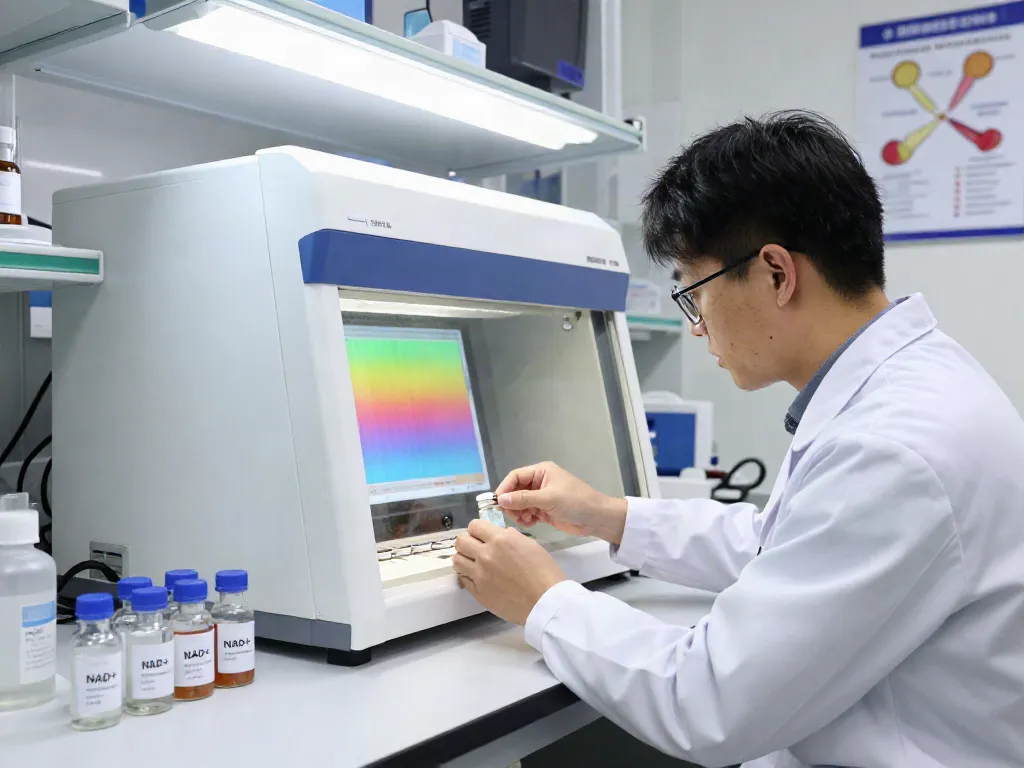
High-Performance Liquid Chromatography (HPLC) is a cornerstone analytical technique used to verify the purity of NAD+ peptides. HPLC allows researchers to separate, identify, and quantify compounds in a mixture, ensuring that only the highest purity standards are met. Through this method, researchers can:
- Detect Impurities: Identifying any contaminants present in NAD+ peptides, which is essential for experimental integrity.
- Standardize Dosages: Ensuring consistent concentrations of NAD+ for reproducibility in experiments.
Analyzing the Certificate of Analysis for NAD+ Peptides
Each batch of NAD+ peptides should come with a Certificate of Analysis (CoA), detailing the results from purity testing and other quality metrics. A thorough review of this document is essential for researchers to verify that the compound meets the required specifications necessary for laboratory research.
Common Purity Standards for Research Compounds
Research compounds, including NAD+ peptides, are typically subjected to stringent purity standards often exceeding 98%. These standards are crucial for:
- Validating Experimental Outcomes: High purity ensures that experimental results are directly attributable to the compound under study.
- Compliance with Regulatory Bodies: Adhering to strict purity guidelines is essential for compliance with research regulations and ethical standards.
Laboratory Best Practices for Using NAD+ Peptides
For researchers working with NAD+ peptides, adopting best practices will enhance the reliability of experiments and maximize research outcomes.
Proper Storage and Handling of NAD+ Compounds
Storage conditions play a crucial role in preserving the stability and efficacy of NAD+ peptides. These compounds should be stored in a cool, dry environment, protected from light and moisture. Proper handling methods include:
- Using Amber Vials: To protect peptides from light degradation.
- Maintaining Inert Atmosphere: Minimizing exposure to air to prevent oxidation.
Safety Protocols in Research Environments
Implementing safety measures is vital when working with NAD+ peptides. Researchers should observe safety protocols such as:
- Utilizing Personal Protective Equipment (PPE): To protect against accidental exposure.
- Adhering to Chemical Hygiene Plans: Ensuring compliance with institutional safety guidelines.
Documentation and Record-Keeping for Research Integrity
Maintaining detailed records of experimental procedures, results, and modifications is crucial for ensuring research integrity and reproducibility. Key documentation practices include:
- Lab Notebooks: Keeping accurate and comprehensive notes on experimental protocols.
- Inventory Management: Tracking the usage and storage conditions of NAD+ peptides and related compounds.
Challenges and Misconceptions Surrounding NAD+ Peptides
Despite the advancements in NAD+ research, several challenges and misconceptions persist that hinder its acceptance and understanding within the scientific community.
Addressing Concerns about Human Consumption
It is essential to clarify that NAD+ peptides are designated for laboratory research only and are not intended for human consumption. Misunderstandings around this issue can lead to potential misuse and safety concerns. Researchers must communicate this distinction clearly to avoid misconceptions.
Common Misunderstandings in NAD+ Research
NAD+ has garnered attention for its potential benefits, but it is critical to recognize that:
- Human Trials are Limited: Most studies focus on animal models or in vitro systems, with limited human data available for therapeutic claims.
- Not a Miracle Solution: While promising, NAD+ is not a panacea for health issues; its effects are context-dependent and require further exploration.
Clarifying Therapeutic versus Research Use
It is crucial to delineate between therapeutic applications and research contexts when discussing NAD+. While there is interest in exploring therapeutic uses, NAD+ peptides should be approached with scientific rigor within research environments.
Future Directions and Innovations in NAD+ Research
As the research landscape evolves, future studies on NAD+ will likely reshape our understanding of its roles in health and disease.
Emerging Studies on NAD+ and Longevity
Emerging research is looking into the potential of NAD+ supplements to mitigate age-related declines in cellular function. Current studies are investigating:
- Effects on Mitochondrial Function: Analyzing NAD+’s role in enhancing mitochondrial health and function in aging populations.
- Genetic Regulation: Exploring how NAD+ influences gene expression linked to longevity pathways.
The Role of NAD+ in Regenerative Medicine
NAD+ is becoming increasingly relevant in regenerative medicine, particularly in areas such as stem cell research and tissue engineering. Key aspects of this research focus include:
- Stem Cell Maintenance: Investigating how NAD+ levels impact stem cell functionality and maintenance.
- Tissue Regeneration: Understanding the role of NAD+ in promoting cell survival and growth in damaged tissues.
Predictions for NAD+ Peptide Developments Beyond 2026
As we look ahead, innovations in NAD+ research and application are anticipated. Researchers predict:
- New Delivery Mechanisms: Advances in drug delivery systems that enhance the bioavailability of NAD+ peptides.
- Broader Applications: The potential for NAD+ to be integrated into various therapeutic protocols targeting metabolic and age-related diseases.
What do NAD peptides do for you?
NAD peptides may support various physiological processes, including enhancing energy metabolism, improving mitochondrial function, and potentially providing protective effects against oxidative stress. However, their direct impact on human health remains an area of active research.
What is the downside of taking NAD+?
While NAD+ supplementation may offer benefits, there are concerns, including potential side effects and the need for further research to establish safe dosages and long-term effects. Users should remain informed about these aspects and consult with professionals when necessary.
Why do I feel so good on NAD?
Many individuals report subjective feelings of well-being associated with NAD+, attributed to its crucial role in cellular energy production. This could lead to increased vitality and improved mental clarity, yet scientific validation in human subjects remains limited.
What happens when you take NAD+ every day?
Daily NAD+ supplementation may contribute to enhanced energy levels and mitochondrial function, but the implications of long-term usage require more research. Personalized approaches based on individual needs and health status should be considered.