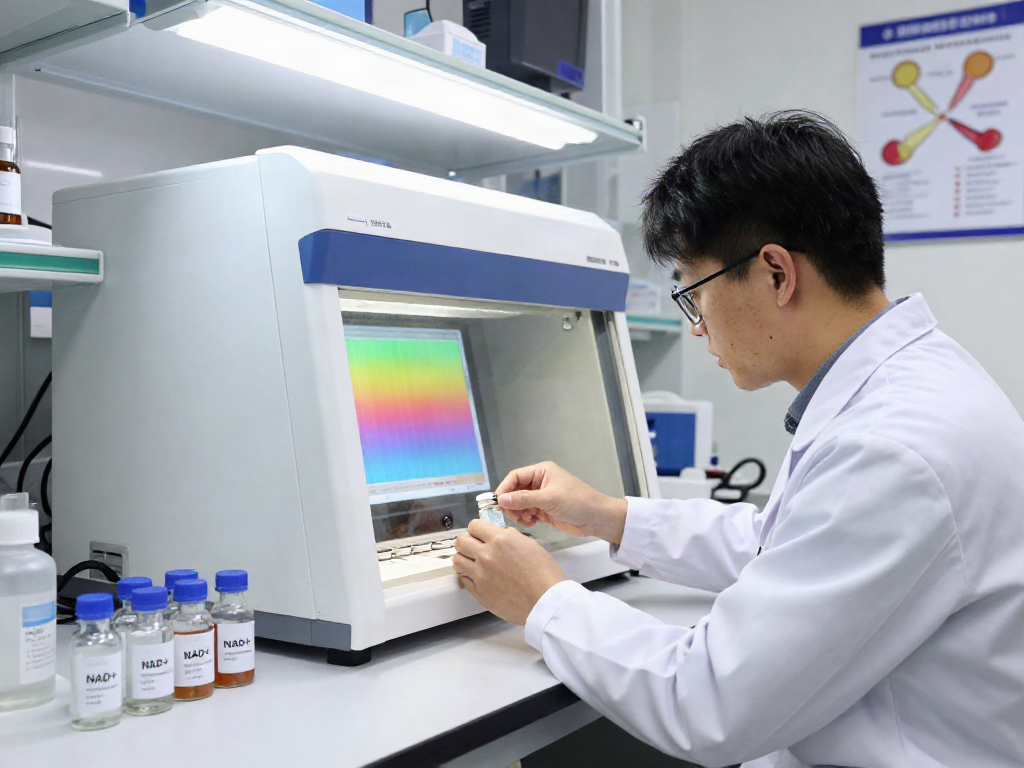
Understanding Research Peptides in the USA
Research peptides are gaining significant traction in the scientific community, particularly within the USA, as tools for various laboratory studies. These short chains of amino acids exhibit unique properties that make them invaluable for advancing both basic and applied research. As scientists explore the potential applications of these compounds, it becomes essential to understand what they are, their regulatory status, and how to select high-quality options. When exploring options, research peptides USA provides comprehensive insights into the marketplace and the standards expected from suppliers.
What are Research Peptides?
Research peptides are sequences of amino acids that have been synthesized for use in scientific research, particularly in the fields of biochemistry, molecular biology, and pharmacology. Unlike traditional drugs, which are often complex organic molecules, peptides consist of 2 to approximately 50 amino acids. Their relatively simple structure allows for easier manipulation and study of biological processes.
Commonly utilized in in vitro studies, these peptides can mimic or influence specific biological pathways, making them crucial for understanding various physiological functions and potential therapeutic effects. Researchers often utilize them for their potential to develop new treatments or interventions in areas such as cancer research, metabolic disorders, and neurodegenerative diseases.
The Role of Research Peptides in Scientific Studies
Research peptides play a pivotal role in advancing scientific knowledge and therapeutics. They are instrumental in:
- Drug Development: By studying the interactions between peptides and other molecular targets, scientists can uncover novel drug candidates.
- Biomarker Identification: Certain peptides can serve as biomarkers for diseases, aiding in diagnosis and treatment monitoring.
- Therapeutic Applications: Peptides can potentially provide therapeutic benefits when administered in controlled environments, leading to innovations in treatment regimens.
Furthermore, the ability to precisely synthesize and modify peptides allows researchers to explore a wide range of biological phenomena, expanding the horizon of scientific inquiry.
Regulatory Considerations for Peptide Research in the USA
In the USA, research peptides fall under specific regulatory frameworks aimed at ensuring safety and efficacy for their intended uses. The U.S. Food and Drug Administration (FDA) does not evaluate peptides specifically designed for laboratory research, meaning the onus is on the researcher to ensure compliance with all applicable regulations. This includes:
- Using peptides strictly for research purposes, not for human or veterinary applications.
- Obtaining appropriate certifications and documentation from suppliers to validate compound purity and quality.
- Understanding the potential legal implications of misuse, as penalties can be severe if regulations are violated.
Choosing High-Quality Research Peptides
Key Indicators of Quality in Peptide Products
When selecting research peptides, quality is paramount. High-quality peptides should exhibit the following characteristics:
- Purity: A minimum of 95% purity is generally accepted; however, higher purity levels are preferable for most research applications.
- Stability: Peptides should be stable under various conditions, ensuring the reliability of experimental results.
- Concentration: Accurately labeled concentrations allow for precise dosing in experiments.
Ensuring these factors can significantly impact the reliability and reproducibility of research findings.
Third-Party Testing and Certificates of Analysis
Reputable peptide suppliers provide certificates of analysis (COAs) that detail the results of third-party testing. These documents verify the peptide's identity, purity, and quality. When purchasing peptides, researchers should always request and review the COA to confirm that:
- The product matches the specified sequence and modifications.
- Test results validate acceptable purity levels and absence of contaminants.
- Storage conditions comply with recommendations to maintain stability.
Engaging with suppliers who demonstrate transparency through third-party testing helps to mitigate risks associated with inferior products.
Price vs. Quality: What You Should Know
While budget considerations are crucial in lab settings, it is important to remember that the cheapest options may not always provide the best results. Investing in higher-quality peptides can lead to:
- Enhanced experimental reliability.
- Reduction of wasted resources due to failed experiments.
- Improved safety profiles, ensuring unethical use is avoided.
Conducting thorough research and comparing various suppliers can help strike the right balance between cost and quality.
Common Applications of Research Peptides
Applications in Drug Development and Testing
One of the most significant applications of research peptides is in drug development. Peptides can be utilized as:
- Therapeutic agents targeting specific diseases, like insulin for diabetes management.
- Components in vaccine development, offering targeted immune responses.
- Tools for high-throughput screening in drug discovery processes.
Their versatility and specificity render them indispensable in pharmacological research.
Peptides in Biotechnology and Health Research
Within biotechnology, peptides facilitate the development of advanced diagnostics and therapeutics. They can be used to:
- Generate monoclonal antibodies for research and therapeutic use.
- Act as research tools to elucidate the mechanisms of disease.
- Serve as antibiotics or antimicrobials in combating infections.
As healthcare progresses, the role of peptides in biotechnology is expected to expand even further, leading to innovative treatment strategies.
Innovations in Peptide Usage in Academic Research
Academic institutions are increasingly incorporating peptide-based approaches into their research paradigms. Recent innovations include:
- Engineered peptides designed to modulate protein interactions.
- Use of peptides in CRISPR technology for gene editing advancements.
- Studies investigating peptides in aging and regenerative medicine.
These advancements hold promise for unlocking new therapeutic avenues and enhancing our understanding of biological systems.
Challenges and Misconceptions About Research Peptides
Understanding Legal Boundaries for Peptide Use
Many misconceptions exist surrounding the legal status of research peptides. It is crucial for researchers to be aware that:
- Peptides are classified differently based on their intended use; products intended strictly for research are not meant for human consumption.
- Misuse can lead to legal action against the researcher or institution involved.
- Regulatory frameworks are evolving, so staying updated with local laws is essential.
Understanding these legal boundaries not only ensures compliance but also promotes ethical research practices.
Myths About the Safety and Efficacy of Research Peptides
Numerous myths can cloud perceptions of research peptides, especially regarding their safety and efficacy. Some common myths include:
- All research peptides are unsafe—many are rigorously tested for quality.
- Peptides can cure diseases alone; they serve as tools for understanding biological processes rather than standalone treatments.
- Anyone can purchase and use research peptides—only qualified researchers or institutions should engage in this practice.
Addressing these myths fosters a better understanding of the role and limitations of research peptides in scientific inquiry.
How to Avoid Common Pitfalls in Peptide Research
Researchers must navigate various challenges when working with peptides. Key pitfalls to avoid include:
- Overlooking supplier credibility—always vet suppliers for quality and compliance with regulations.
- Failing to conduct proper experimental controls, which can lead to inconclusive results.
- Neglecting to stay informed about recent developments in peptide research, which may influence ongoing studies.
By remaining proactive and informed, researchers can enhance their experimental outcomes and contribute to the body of scientific knowledge.
Future Trends in Research Peptides
Emerging Technologies in Peptide Synthesis
The future of research peptides appears bright, with innovations in synthesis techniques paving the way for more efficient and diverse peptide production. Emerging technologies such as:
- Automated Peptide Synthesizers: Allow for rapid production of complex peptide libraries.
- Solid-Phase Peptide Synthesis (SPPS): Provides greater precision and scalability in peptide synthesis.
- Modular Synthesis Approaches: Enable customization of peptides for specific research applications.
These advancements will likely lead to increased accessibility and application of research peptides across various scientific fields.
Predictions for the Peptide Market in 2026
As we look toward 2026, the peptide market is anticipated to grow significantly. Factors driving this growth include:
- The increasing prevalence of chronic diseases necessitating novel therapeutic solutions.
- Greater recognition of peptides as valuable research tools.
- Investment in biotech and pharmaceutical research focusing on peptide therapies.
This growth positions peptides as crucial components in future biomedical research and the development of innovative treatments.
The Role of AI and Data Analytics in Peptide Research
Artificial Intelligence (AI) and data analytics are beginning to transform peptide research, making it possible to:
- Analyze vast datasets more efficiently, uncovering trends and correlations in peptide function.
- Predict peptide interactions and outcomes with a higher degree of accuracy.
- Optimize synthesis pathways based on computational models, reducing development time.
As technological advancements continue to intersect with peptide research, they will open new doors for scientific exploration and discovery.
What Are Research Peptides Used For?
Research peptides find use in various applications, including:
- Understanding fundamental biological mechanisms.
- Developing new diagnostic tools and therapies.
- Investigating disease models and therapeutic interventions.
These versatile compounds are invaluable for modern scientific research.
Where to Buy Legitimate Research Peptides?
Purchasing research peptides requires diligence. Researchers should prioritize sourcing from reputable suppliers who offer quality assurances, such as:
- Certification of quality and purity.
- Detailed product descriptions and COAs.
- Clear communication regarding intended use and regulatory compliance.
Can Anyone Legally Purchase Research Peptides?
In the USA, the purchase of research peptides is restricted to qualified researchers. Institutions and individuals must affirm that:
- They are using peptides solely for research purposes.
- They understand the legal implications of misuse.
- They are compliant with local and federal regulations governing peptide use.
What Are the Risks of Using Research Peptides?
While research peptides offer exciting opportunities, there are inherent risks, including:
- Potential for contamination if sourced from unreliable suppliers.
- Legal repercussions stemming from misuse or non-compliance.
- Experimental failure due to improper handling or storage conditions.
Researchers are encouraged to remain well-informed and exercise caution when engaging with peptide products.