Understanding 3ml Bac Water's Role in Laboratory Research
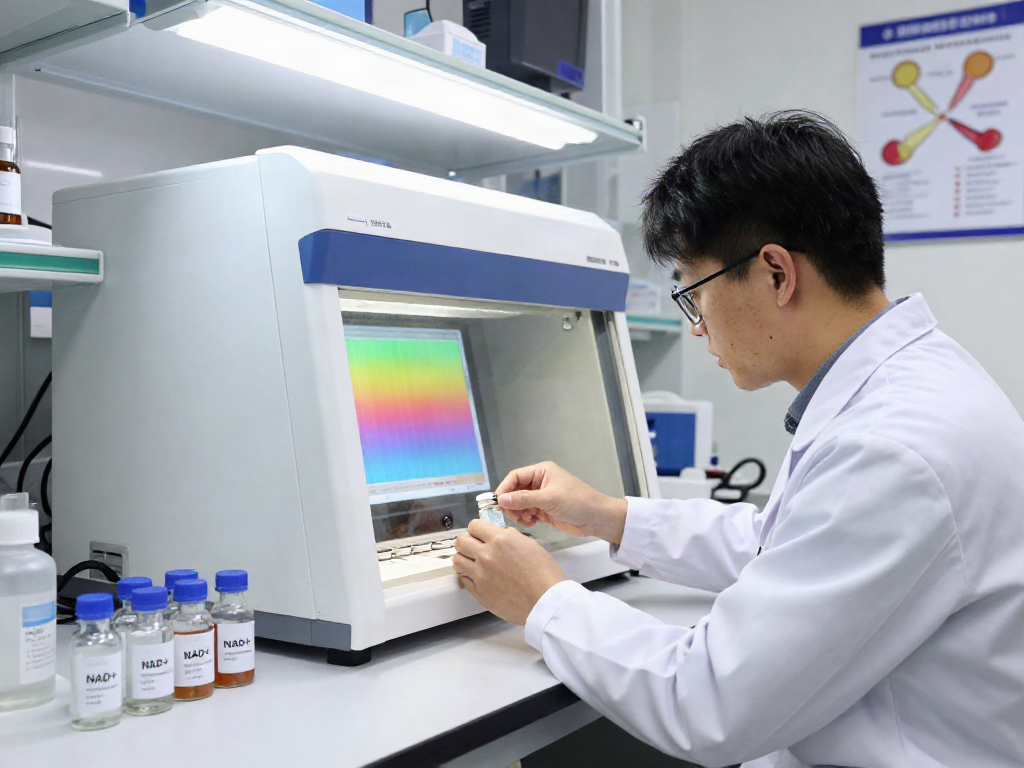
In the realm of laboratory research, the precision and quality of substances used can significantly determine the success of an experiment. Among these, 3ml bac water plays a crucial role, particularly in peptide synthesis and reconstitution. This sterile solution, containing a small percentage of benzyl alcohol, prevents bacterial growth and ensures that samples remain uncontaminated and viable for analysis.
What is 3ml Bac Water?
Bacteriostatic water, specifically in the form of 3ml vials, is a sterile aqueous solution designed for use in laboratories. It includes 0.9% benzyl alcohol, which functions as a preservative to inhibit bacterial growth. This type of water is particularly useful in situations where the sterility of the solution is paramount, such as when reconstituting peptides or preparing solutions for injection. Unlike normal saline or sterile water, which can allow for bacterial contamination, bacteriostatic water provides a reliable method of ensuring that the substances remain uncontaminated over extended periods.
Importance in Peptide Reconstitution
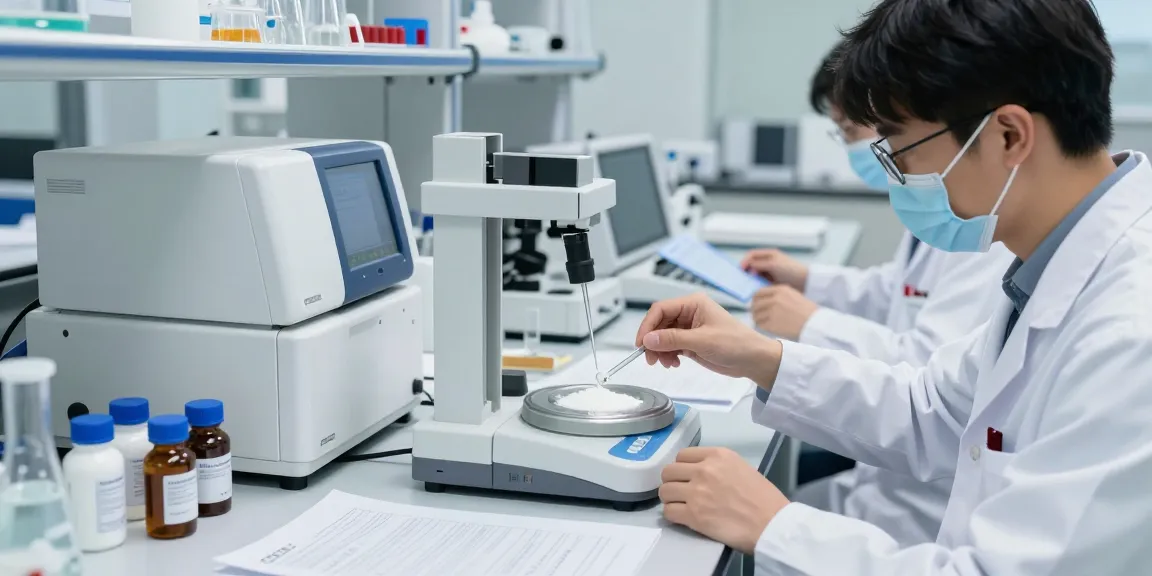
Peptide reconstitution is a delicate process that demands precision and care. The use of 3ml bac water is essential in this context, as it allows for the safe mixing of peptide powders into a usable form. The bacteriostatic properties of this solution help maintain the integrity of the peptide during the reconstitution process, reducing the risk of degradation or contamination that can lead to inaccurate results. For researchers and professionals working with peptides, using the correct diluent is critical for maintaining the efficacy of their compounds.
Key Components of Bac Water
- Benzyl Alcohol (0.9%): Acts as a bacteriostatic agent, preventing the growth of bacteria.
- Water for Injection: The primary component that serves as a solvent for reconstituting substances.
- pH Level: Typically maintained within a neutral range to ensure compatibility with various peptides.
Applying Best Practices for Handling 3ml Bac Water
To maximize the effectiveness of 3ml bac water in laboratory settings, researchers must follow best practices for handling and storage. The integrity of the solution can be compromised if not properly managed, leading to potential experimental failures.
Safe Storage Guidelines
Proper storage is vital for preserving the quality of 3ml bac water. It should be stored in a cool, dark place, ideally at temperatures between 2°C to 8°C. This prevents degradation and maintains its bacteriostatic properties. Additionally, once opened, it is recommended to use the solution within a specified time frame to ensure sterility.
Techniques for Accurate Measurement
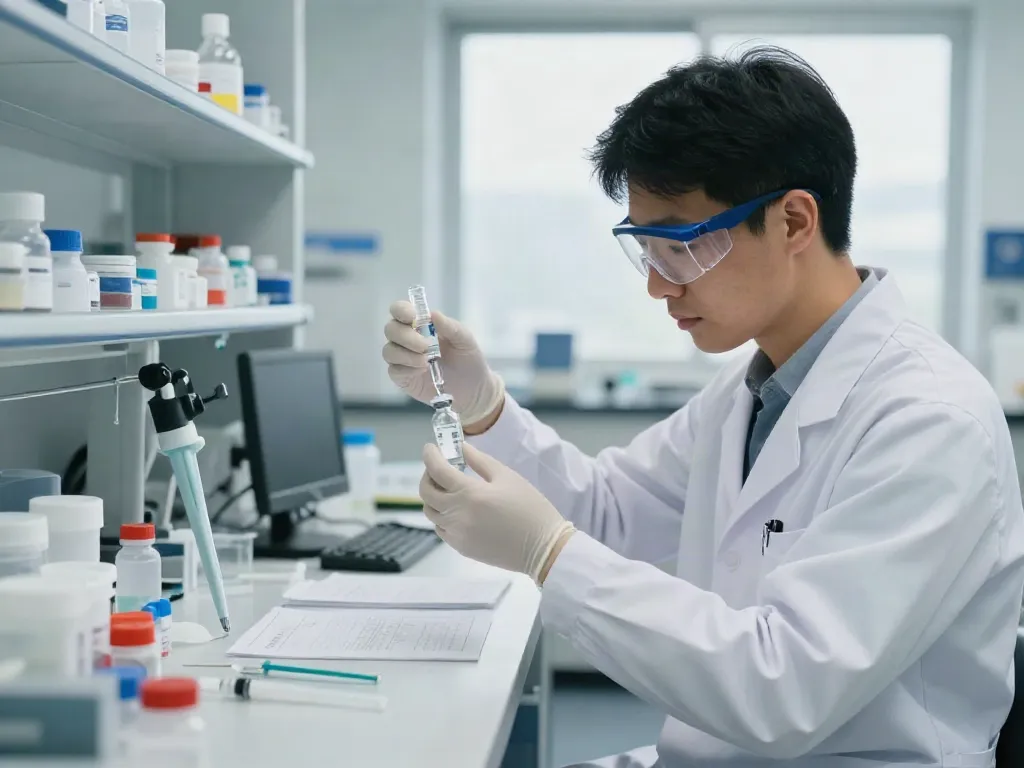
Accurate measurement of 3ml bac water is critical when preparing peptide solutions. The use of sterile syringes with clear measurement markings allows researchers to draw precise amounts without risking contamination. It is also advisable to avoid touching the inside of the vial or syringe tip to maintain sterility throughout the process.
Preventing Contamination Risks
Contamination can lead to detrimental results in research. Researchers should always use aseptic technique while handling 3ml bac water. This includes using gloves, disinfecting surfaces, and employing sterile equipment to minimize the risk of introducing bacteria or other contaminants into the solution.
Challenges in Using 3ml Bac Water Effectively
While 3ml bac water is an invaluable resource in laboratory research, it comes with its own set of challenges that must be navigated to ensure successful outcomes.
Common Misconceptions
Many beginners mistakenly believe that all forms of sterile water are interchangeable. While sterile water and saline solutions can be suitable for some applications, they do not provide the same bacteriostatic properties as bac water. This misunderstanding can lead to experimental errors, particularly in long-term studies.
Addressing Storage and Shelf Life Issues
Another concern regarding 3ml bac water is its shelf life after opening. Users often underestimate how long the water can remain viable. Typically, once opened, it should be used within 28 days to prevent contamination. Always check for any signs of cloudiness or particulate matter before use, as these can indicate contamination.
Overcoming Handling Errors
Handling errors, such as improper withdrawal techniques or using non-sterile syringes, can compromise the integrity of 3ml bac water. Training on proper techniques can mitigate these risks and ensure that all researchers adhere to strict protocols.
Advantages of Using 3ml Bac Water in Research
The benefits of utilizing 3ml bac water in a laboratory setting extend beyond mere convenience. Its unique properties make it a preferred choice among researchers working with sensitive compounds.
Benefits Over Other Solutions
- Prevention of Microbial Contamination: The addition of benzyl alcohol significantly reduces the risk of bacterial growth compared to normal sterile water.
- Versatile Applications: Suitable for various research applications beyond peptide reconstitution, including vaccine preparation and medication dilution.
- Cost-Effective: Available in bulk packs, such as the 10-pack option, which offers a cost-effective solution for labs requiring multiple vials.
Enhancing Experiment Reliability
Using 3ml bac water can enhance the reliability of experimental results by preventing the degradation of sensitive compounds. This is especially important in fields such as pharmacology and biochemistry, where the stability of reactants is paramount for reproducibility.
Real-World Applications and Success Stories
Numerous laboratories have reported successful outcomes by incorporating 3ml bac water in their methodologies. For instance, in peptide therapy research, the use of bac water has been linked to improved patient outcomes due to better formulation stability. Furthermore, researchers exploring vaccine efficacy have noted that maintaining the integrity of their solutions with bacteriostatic water can lead to more accurate conclusions.
Future Trends for Bac Water in Scientific Research
As scientific research evolves, so too do the substances utilized within it. The future of bac water looks promising, especially as researchers continue to seek reliable solutions for complex problems.
Innovations in Bacteriostatic Solutions
Recent innovations in bacteriostatic solutions include advancements in formulation that may lead to even longer shelf lives and broader applications. Research into alternative preservatives that provide enhanced stability without compromising safety is underway, which could revolutionize the use of solutions like bac water in various fields.
Predicted Developments for 2026 and Beyond
By 2026, we can expect further refinements in the formulation of 3ml bac water, perhaps with the introduction of smart packaging that indicates sterility and quality. Moreover, advancements in laboratory techniques may lead to a more efficient application in both research and clinical settings.
Research Opportunities with Bac Water
As researchers delve deeper into the realms of biotechnology and pharmacology, the demand for reliable bacteriostatic solutions will only grow. Opportunities may arise for developing specialized formulations catering to specific research needs, expanding the application of 3ml bac water beyond its current scope.
Common Questions Related to 3ml Bac Water
How much BAC water for a 3 mL vial?
The amount of BAC water required generally aligns with the instructions provided for the specific peptide or medication being reconstituted. It is imperative to follow dosing guidelines closely to ensure optimal results.
Where can I get 3ml BAC water?
3ml BAC water is readily available from various suppliers, either online or through laboratory supply companies. Ensure that the source is reputable to guarantee product quality.
What is bacteriostatic water 3ml?
Bacteriostatic water 3ml is a sterile water solution specifically designed to inhibit bacterial growth, making it suitable for reconstituting peptides and other sensitive compounds in research environments.
How many units is 1 mL of BAC water?
1mL of BAC water typically contains one unit of the solution, which researchers often use to prepare various dosages as needed.
Can I use 3ml BAC water for other applications?
Yes, 3ml BAC water can be utilized for various applications beyond peptide reconstitution, including drug dilutions, vaccine preparations, and other laboratory procedures requiring sterile conditions.