Understanding Reclaimed Water Systems
The increasing global demand for fresh water is prompting municipalities and industries to explore innovative solutions for water reuse. Reclaimed water systems are at the forefront of this shift, providing efficient, sustainable alternatives to traditional water supply methods. These systems not only assist in conserving precious water resources but also help mitigate environmental impacts by recycling wastewater for various applications. This article delves into the components, technologies, benefits, and future of reclaimed water systems, equipping businesses and communities with the knowledge necessary to implement these systems effectively.
What are Reclaimed Water Systems?
Reclaimed water systems refer to the setups that treat and purify wastewater or stormwater for reuse. This process, known as water reclamation, transforms potentially harmful effluents into safe, high-quality water that can be utilized for irrigation, industrial processes, and even potable applications in some cases. By integrating advanced treatment technologies, reclaimed water systems can significantly reduce the burden on local freshwater supplies while providing a sustainable source of water.
The Technology Behind Wastewater Recycling
Modern reclaimed water systems utilize a combination of physical, biological, and chemical treatment processes to ensure the water is safe and usable. Key technologies include:
- Membrane Bioreactors (MBR): Combining biological treatment with membrane filtration, MBR systems efficiently remove microorganisms and organic contaminants.
- Ultrafiltration (UF): This process uses a membrane to separate particles and pathogens from water, providing an additional layer of purification.
- Reverse Osmosis (RO): RO technology further enhances water quality by forcing water through a semipermeable membrane, removing even the smallest contaminants.
Key Benefits of Reclaimed Water Systems
Implementing reclaimed water systems offers numerous advantages, including:
- Water Conservation: Reduces dependency on traditional water sources, conserving essential freshwater reserves.
- Cost Savings: Utilizing reclaimed water can lead to lower water bills and reduced need for new water infrastructure.
- Environmental Protection: Helps in maintaining ecological balance by reducing the volume of wastewater released into natural bodies of water.
- Regulatory Compliance: Facilitates adherence to increasingly stringent water usage regulations and sustainability goals.
Components of Reclaimed Water Systems
Modular and Mobile Design Features
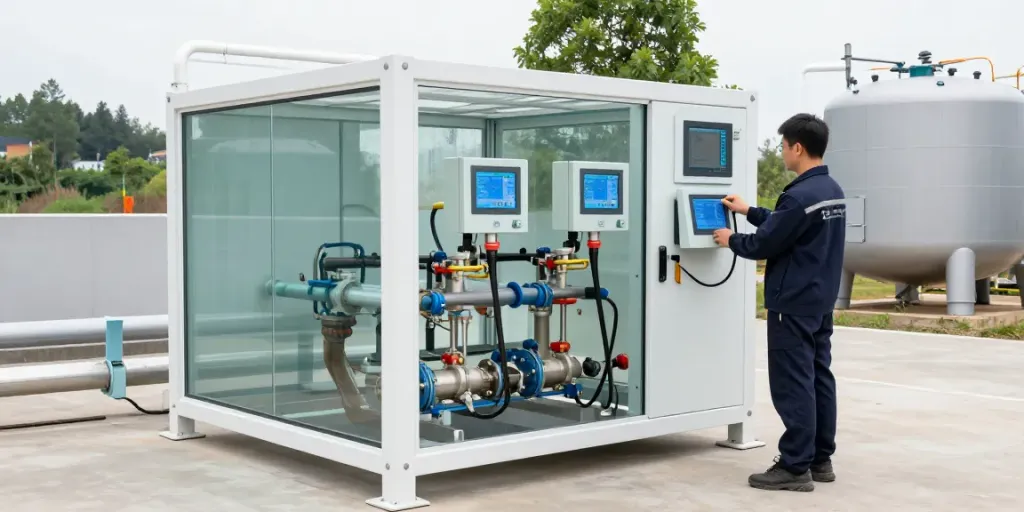
Containerized reclaimed water systems offer a compact, flexible solution that can be rapidly deployed in various settings, from urban centers to remote locations. These modular designs facilitate easy transport and installation, ensuring that even facilities with limited space can benefit from advanced wastewater treatment technologies.
Filtration Technologies: MBR, UF, and RO Explained
The backbone of any effective reclaimed water system lies in its filtration technologies. Each technology plays a crucial role in ensuring the final water product meets safety and quality standards. MBR systems combine biological degradation with fine filtration, while UF provides additional barrier protection against larger contaminants. RO serves as the final purification step, producing water that exceeds health regulations for non-potable and potable applications.
Integration with Existing Infrastructure
Reclaimed water systems can be integrated into existing water and wastewater infrastructure, maximizing the benefits of current systems while minimizing disruption. By retrofitting older facilities with modern treatment technologies, organizations can enhance their water management processes without the need for extensive construction projects.
Applications of Reclaimed Water Systems
Municipal Uses: Enhancing Public Water Supplies
Municipalities are increasingly adopting reclaimed water systems to supplement public water supplies. This approach is especially beneficial during drought conditions or when water demand outstrips supply. Reclaimed water can be utilized for landscaping, park irrigation, and even toilet flushing in public buildings, significantly easing the pressure on potable water sources.
Industrial Applications: Reducing Water Footprint
Industries such as manufacturing and food processing have substantial water requirements. By implementing reclaimed water systems, these businesses can reduce their overall water footprint and ensure consistent water availability for production processes. Additionally, using treated water for non-potable applications helps industries comply with environmental regulations.
Agricultural Benefits: Irrigation and Beyond
Agriculture is one of the biggest consumers of freshwater globally. Reclaimed water systems present an excellent opportunity for farmers to irrigate crops sustainably. Utilizing treated wastewater can enhance soil quality while simultaneously conserving freshwater resources. Moreover, modern treatment technologies ensure that reclaimed water is free from pathogens and harmful chemicals, making it suitable for agricultural use.
Implementing Reclaimed Water Systems
Planning and Consulting for Your Project
Implementing a reclaimed water system requires careful planning and consultation to address specific project needs. Engaging with experts in water treatment, regulatory compliance, and environmental impact can streamline the process and ensure successful implementation.
Case Studies: Successful Installations
Numerous case studies illustrate the successful deployment of reclaimed water systems across various sectors. For example, several municipalities have revitalized their water management strategies by integrating reclaimed water for recreational and industrial uses, resulting in significant cost savings and sustainability achievements. These real-world examples serve as templates for other organizations looking to enhance their water infrastructure.
Best Practices for Operation and Maintenance
To ensure the longevity and effectiveness of reclaimed water systems, it is essential to establish best practices for operation and maintenance. Regular monitoring, routine maintenance of filtration systems, and staff training on emerging technologies are critical for maximizing system performance and compliance with health regulations.
Future Trends in Water Reuse Technologies
Emerging Technologies for 2026 and Beyond
As technological advancements continue to shape the future of water management, several trends are emerging in reclaimed water technologies. Innovations such as smart sensors for real-time monitoring and advanced treatment methods are set to enhance operational efficiency and water quality management.
Regulatory Changes and Their Impact on Adoption
The regulatory landscape surrounding water reuse is evolving, with many governments implementing policies to promote reclaimed water systems. Understanding these changes is crucial for organizations seeking to adopt these technologies, as compliance can open up new opportunities for funding and public acceptance.
Building Community Awareness and Support
Engaging with the community and raising awareness about the benefits of reclaimed water is vital for successful implementation. Initiatives such as educational programs and public outreach campaigns can help dispel myths about water reuse, fostering acceptance and support from local residents.
What are the main benefits of reclaimed water systems?
Reclaimed water systems offer substantial benefits, including reduced water costs, enhanced sustainability, and lower environmental impact. They play a pivotal role in addressing water scarcity and promoting water conservation in various sectors.
How do reclaimed water systems work?
These systems work by treating wastewater through a series of filtration and purification processes to produce high-quality reclaimed water suitable for various applications.
Are there regulatory standards for using reclaimed water?
Yes, reclaimed water use is subject to strict regulatory standards to ensure safety and quality. These regulations vary by region, necessitating compliance for successful system implementation.
What types of industries benefit from reclaimed water systems?
Industries such as agriculture, manufacturing, and municipal services significantly benefit from reclaimed water systems, enhancing their sustainability and operational efficiency.
How can businesses implement these systems effectively?
Effective implementation requires thorough planning, expert consultation, and ongoing management to ensure compliance with regulations and optimize system performance. Proper education and community engagement are also crucial for fostering acceptance.